


How do paper-based food boxes create superior packaging solutions by leveraging the inherent advantages of paper materials?
Release Time : 2026-08-13
As a key product in the paper packaging sector, food boxes play a vital role in the production, sales, and transportation of food. Beyond their fundamental functions of protecting food and facilitating storage and transport, they enhance the product's overall image through thoughtful design, material selection, and printing techniques. With consumers increasingly prioritizing food quality and the packaging experience, food boxes that combine practicality with visual appeal have become a preferred choice in the modern food industry.
Made primarily from paper, these boxes are lightweight, easy to process, and offer great design flexibility. Specialized processing allows the paper to be shaped into various structures, enabling designs tailored to specific food characteristics. A well-designed box shape conforms closely to the food's form, minimizing wasted space while providing robust support and protection, thereby ensuring the packaging meets practical needs.
Protective performance is a major advantage of paper food boxes. A well-engineered box structure mitigates the impact of collisions and compression during handling and transport. Scientific internal spatial planning keeps the food stable within the package, offering reliable external protection during distribution. This structural stability also reduces the risk of product loss or damage during sales and delivery.
Paper food boxes also offer excellent portability. Their lightweight nature makes them suitable for a wide range of applications, including everyday food packaging, takeout, gift packaging, and retail products. They are easy for consumers to carry, and smart structural designs ensure smooth opening and closing, adding convenience to daily use.
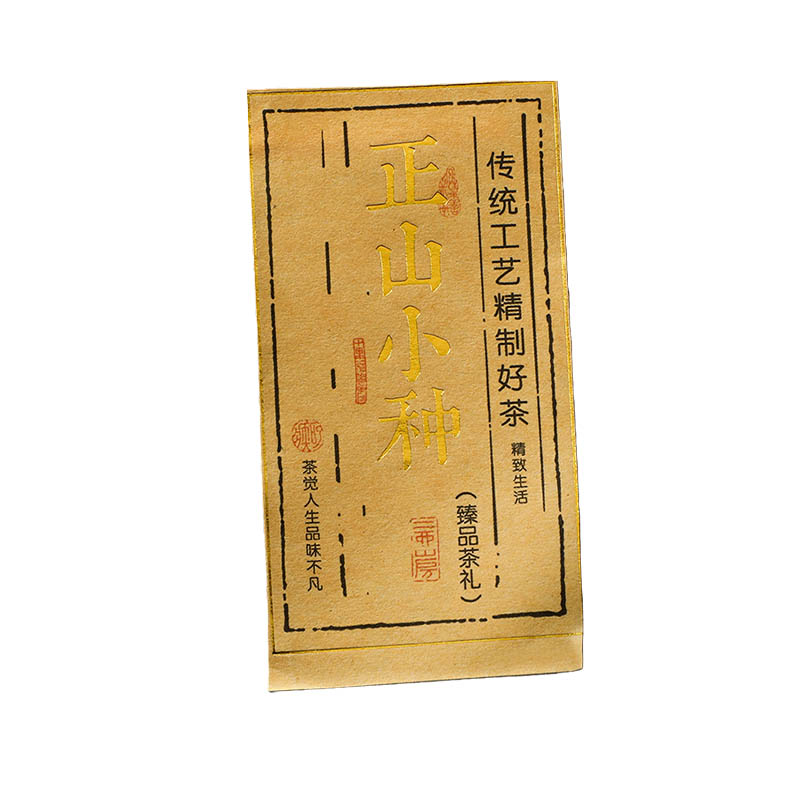
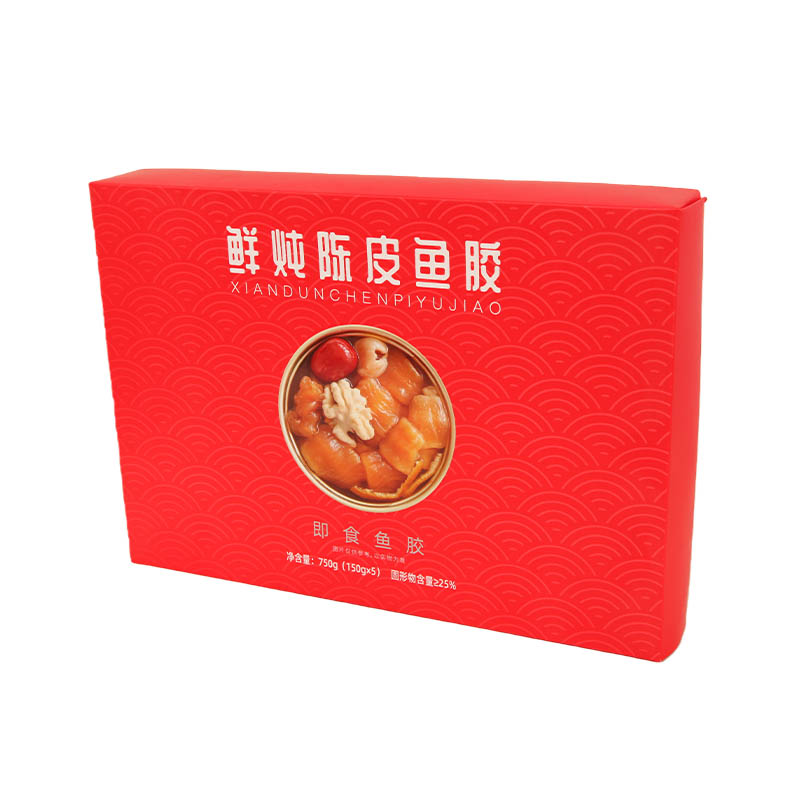
Visual design is a key way for food boxes to enhance product value. Paper materials are highly compatible with printing, allowing for integrated designs that incorporate brand logos, product graphics, text, and decorative elements. An attractive visual presentation boosts the packaging's appeal and creates an immediate, positive brand impression for consumers, helping businesses build a distinctive product identity.
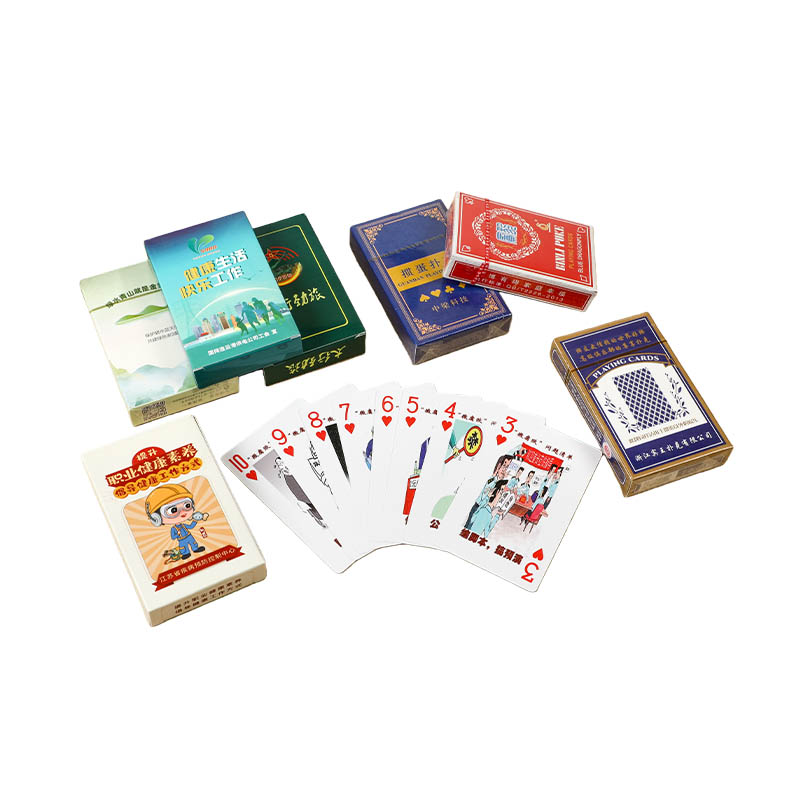
Furthermore, food boxes can be customized to suit different types of food. Since foods vary in shape, preservation requirements, and sales contexts, packaging structures must be designed with these specific needs in mind. Customizing the box shape, material, and decorative style ensures the packaging aligns perfectly with the product, meeting functional protection needs while showcasing the food's unique qualities. Paper-based food packaging is also a subject of significant interest regarding environmental sustainability. The modern packaging industry increasingly prioritizes material efficiency and eco-friendly design; thanks to their inherent material properties, paper products offer a choice that aligns well with environmental trends. By optimizing packaging structures and material usage, unnecessary packaging waste can be reduced, ensuring that food packaging better reflects modern consumer values.
Food boxes can also elevate the overall perceived quality of a product. Simple yet refined packaging gives ordinary food items a more professional visual appeal, while distinctive designs reinforce the product's unique character. For gift foods, specialty items, and branded products, high-quality packaging serves not only a protective function but also acts as a crucial element of the product's image.
As the food industry evolves, packaging has shifted from a mere protective tool to a vital medium connecting products, brands, and consumers. Through the use of paper materials, flexible structures, and diverse designs, food boxes provide food enterprises with comprehensive packaging solutions. They balance product protection, ease of transport, brand presentation, and the consumer experience, meeting the modern market's varied demands for packaging quality.
With advantages such as being lightweight and practical, structurally stable, and versatile in design and printing, food boxes hold significant value in the paper packaging sector. They provide reliable external protection for food while enhancing product image and brand recognition through exquisite design. As demands for food packaging continue to rise, high-quality food boxes will leverage their strengths to offer the industry packaging options that are aesthetically pleasing, practical, and premium in feel.
Made primarily from paper, these boxes are lightweight, easy to process, and offer great design flexibility. Specialized processing allows the paper to be shaped into various structures, enabling designs tailored to specific food characteristics. A well-designed box shape conforms closely to the food's form, minimizing wasted space while providing robust support and protection, thereby ensuring the packaging meets practical needs.
Protective performance is a major advantage of paper food boxes. A well-engineered box structure mitigates the impact of collisions and compression during handling and transport. Scientific internal spatial planning keeps the food stable within the package, offering reliable external protection during distribution. This structural stability also reduces the risk of product loss or damage during sales and delivery.
Paper food boxes also offer excellent portability. Their lightweight nature makes them suitable for a wide range of applications, including everyday food packaging, takeout, gift packaging, and retail products. They are easy for consumers to carry, and smart structural designs ensure smooth opening and closing, adding convenience to daily use.
Visual design is a key way for food boxes to enhance product value. Paper materials are highly compatible with printing, allowing for integrated designs that incorporate brand logos, product graphics, text, and decorative elements. An attractive visual presentation boosts the packaging's appeal and creates an immediate, positive brand impression for consumers, helping businesses build a distinctive product identity.
Furthermore, food boxes can be customized to suit different types of food. Since foods vary in shape, preservation requirements, and sales contexts, packaging structures must be designed with these specific needs in mind. Customizing the box shape, material, and decorative style ensures the packaging aligns perfectly with the product, meeting functional protection needs while showcasing the food's unique qualities. Paper-based food packaging is also a subject of significant interest regarding environmental sustainability. The modern packaging industry increasingly prioritizes material efficiency and eco-friendly design; thanks to their inherent material properties, paper products offer a choice that aligns well with environmental trends. By optimizing packaging structures and material usage, unnecessary packaging waste can be reduced, ensuring that food packaging better reflects modern consumer values.
Food boxes can also elevate the overall perceived quality of a product. Simple yet refined packaging gives ordinary food items a more professional visual appeal, while distinctive designs reinforce the product's unique character. For gift foods, specialty items, and branded products, high-quality packaging serves not only a protective function but also acts as a crucial element of the product's image.
As the food industry evolves, packaging has shifted from a mere protective tool to a vital medium connecting products, brands, and consumers. Through the use of paper materials, flexible structures, and diverse designs, food boxes provide food enterprises with comprehensive packaging solutions. They balance product protection, ease of transport, brand presentation, and the consumer experience, meeting the modern market's varied demands for packaging quality.
With advantages such as being lightweight and practical, structurally stable, and versatile in design and printing, food boxes hold significant value in the paper packaging sector. They provide reliable external protection for food while enhancing product image and brand recognition through exquisite design. As demands for food packaging continue to rise, high-quality food boxes will leverage their strengths to offer the industry packaging options that are aesthetically pleasing, practical, and premium in feel.