



What role do the hidden anti-counterfeiting features of anti-counterfeiting labels play in reducing the difficulty of identifying counterfeit products?
Release Time : 2026-08-20
As commodity distribution channels become increasingly complex, brand companies face higher demands for product authenticity verification and market management. Anti-counterfeiting labels, as an important carrier of product identification, not only need to have eye-catching visual effects but also need to incorporate hidden anti-counterfeiting features that are not easily detected by consumers. By integrating special patterns, microtext, hidden codes, or special identification elements into the label, the difficulty for counterfeiters to obtain complete anti-counterfeiting information can be increased, establishing a more reliable anti-counterfeiting barrier for the product.
1. Reducing the risk of anti-counterfeiting features being directly copied
Information such as brand names, logos, and public QR codes on ordinary labels are easily observed and copied. If authenticity is judged solely based on these elements, counterfeit products may achieve a convincing effect by replicating the appearance. Hidden anti-counterfeiting features are different; they are usually not fully displayed on the label surface but are hidden in patterns, text, or material structures through special processes. Even if counterfeiters replicate the basic appearance of the label, they may not be able to completely reproduce these hidden information, thus increasing the difficulty of counterfeiting.
2. Enhance the Accuracy of Professional Verification
Hidden anti-counterfeiting features not only serve consumers but also provide brand companies, distributors, and professional inspectors with more in-depth verification evidence. For example, some anti-counterfeiting labels can reveal hidden content through specific light sources, magnifying equipment, or dedicated identification methods. Once the product enters the distribution, warehousing, or after-sales stages, staff can use appropriate verification methods to determine whether the label conforms to the anti-counterfeiting features of genuine products. Multi-layered verification methods can reduce errors caused by relying solely on visual judgment.
3. Form Multiple Protections with Digital Anti-counterfeiting
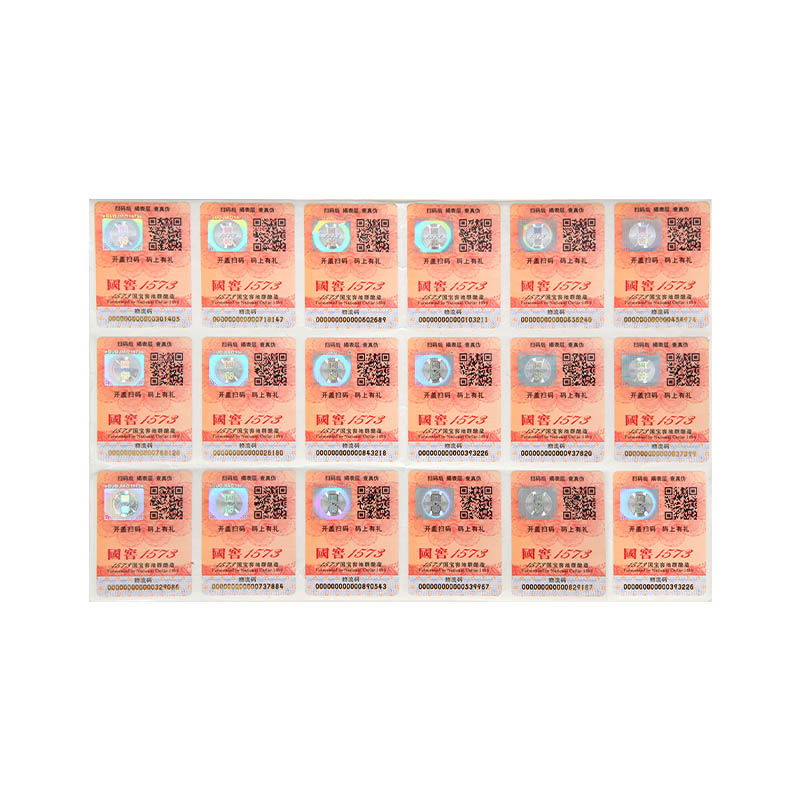
Modern anti-counterfeiting labels can also combine hidden physical features with digital technologies such as QR codes and unique codes. Consumers can obtain product verification information by scanning the code, while professionals can further verify the hidden anti-counterfeiting elements. This forms a verification system that combines public and hidden information. Even if counterfeiters can copy some of the public content, it is difficult to simultaneously restore the complete hidden features and digital information, thereby improving the overall anti-counterfeiting capability.
4. Strengthen Brand Product Identification
Hidden anti-counterfeiting features can also serve as a unique identifier for brand products. Businesses can customize different anti-counterfeiting structures based on their product characteristics and reduce the risk of counterfeiting due to the long-term use of the same anti-counterfeiting solution by continuously updating technology. For industries such as food, daily chemicals, electronics, and high-end consumer goods, this customized design not only helps consumers distinguish genuine products from counterfeits but also helps businesses establish a more comprehensive product management system.
Overall, the hidden anti-counterfeiting features in Anti-Counterfeiting Labels provide more reliable support for product authenticity identification by increasing the degree of information concealment, increasing the difficulty of counterfeiting, and enriching verification methods. It does not simply rely on complex patterns for anti-counterfeiting but combines materials, printing, coding, and digital verification technologies to make it difficult for counterfeiters to completely replicate. By rationally applying hidden anti-counterfeiting designs, businesses can further improve their product anti-counterfeiting systems, and consumers can obtain more multi-layered verification evidence, thereby jointly reducing the risks associated with the circulation of counterfeit products.
1. Reducing the risk of anti-counterfeiting features being directly copied
Information such as brand names, logos, and public QR codes on ordinary labels are easily observed and copied. If authenticity is judged solely based on these elements, counterfeit products may achieve a convincing effect by replicating the appearance. Hidden anti-counterfeiting features are different; they are usually not fully displayed on the label surface but are hidden in patterns, text, or material structures through special processes. Even if counterfeiters replicate the basic appearance of the label, they may not be able to completely reproduce these hidden information, thus increasing the difficulty of counterfeiting.
2. Enhance the Accuracy of Professional Verification
Hidden anti-counterfeiting features not only serve consumers but also provide brand companies, distributors, and professional inspectors with more in-depth verification evidence. For example, some anti-counterfeiting labels can reveal hidden content through specific light sources, magnifying equipment, or dedicated identification methods. Once the product enters the distribution, warehousing, or after-sales stages, staff can use appropriate verification methods to determine whether the label conforms to the anti-counterfeiting features of genuine products. Multi-layered verification methods can reduce errors caused by relying solely on visual judgment.
3. Form Multiple Protections with Digital Anti-counterfeiting
Modern anti-counterfeiting labels can also combine hidden physical features with digital technologies such as QR codes and unique codes. Consumers can obtain product verification information by scanning the code, while professionals can further verify the hidden anti-counterfeiting elements. This forms a verification system that combines public and hidden information. Even if counterfeiters can copy some of the public content, it is difficult to simultaneously restore the complete hidden features and digital information, thereby improving the overall anti-counterfeiting capability.
4. Strengthen Brand Product Identification
Hidden anti-counterfeiting features can also serve as a unique identifier for brand products. Businesses can customize different anti-counterfeiting structures based on their product characteristics and reduce the risk of counterfeiting due to the long-term use of the same anti-counterfeiting solution by continuously updating technology. For industries such as food, daily chemicals, electronics, and high-end consumer goods, this customized design not only helps consumers distinguish genuine products from counterfeits but also helps businesses establish a more comprehensive product management system.
Overall, the hidden anti-counterfeiting features in Anti-Counterfeiting Labels provide more reliable support for product authenticity identification by increasing the degree of information concealment, increasing the difficulty of counterfeiting, and enriching verification methods. It does not simply rely on complex patterns for anti-counterfeiting but combines materials, printing, coding, and digital verification technologies to make it difficult for counterfeiters to completely replicate. By rationally applying hidden anti-counterfeiting designs, businesses can further improve their product anti-counterfeiting systems, and consumers can obtain more multi-layered verification evidence, thereby jointly reducing the risks associated with the circulation of counterfeit products.