



How can adhesive labels improve corrosion resistance and safety labeling effectiveness in chemical product packaging?
Release Time : 2026-06-25
With the continuous development of the chemical industry, various chemicals, solvents, cleaning agents, lubricants, and industrial raw materials face higher requirements for packaging labeling during production and transportation. Because chemical products are often corrosive, volatile, or require special storage, ordinary labels are prone to fading, peeling, and damage, affecting product identification and safety management. Adhesive labels, with their excellent adhesion, environmental resistance, and flexible information display capabilities, have become an indispensable part of chemical product packaging.
1. Improved Corrosion Resistance Ensures Integrity of Information
Chemical product packaging frequently comes into contact with acids, alkalis, oils, and various chemical solvents, placing high demands on label materials. High-quality adhesive labels are typically made of chemically resistant materials, effectively resisting the erosion of external chemical media. Even under prolonged exposure to corrosive environments, the label surface remains intact, less prone to blistering, delamination, or damage, thus ensuring long-term clear visibility of product information.
2. Enhanced Durability of Printed Content
Chemical products undergo various challenges during storage and transportation, including handling, friction, and environmental changes. If label text and graphics are easily worn or faded, product management efficiency will be affected. Adhesive labels, through high-quality printing processes and surface protection treatments, effectively improve the wear resistance and weather resistance of the text and graphics. Even after prolonged exposure to humid, high-temperature, or chemical gas environments, the label content remains clear, ensuring accurate transmission of critical information.
3. Improved Effectiveness of Hazardous Goods Safety Labeling
Many chemical products fall under the category of hazardous materials, requiring clear labeling of hazard levels, handling procedures, and safety warnings. Adhesive labels can visually display important safety information through striking color designs, graphic symbols, and text descriptions. Clear and standardized labeling not only helps staff quickly identify product attributes but also reduces the risk of mishandling and improves safety management during production, transportation, and storage.
4. Stable Adhesion in Complex Environments
Chemical product packaging materials are diverse, including plastic drums, metal containers, glass bottles, and composite packaging. Different materials have different requirements for label adhesion performance. Adhesive labels, through the selection of appropriate adhesive formulations, can firmly adhere to various packaging surfaces, maintaining stable adhesion even in high humidity, high temperature, or low temperature refrigeration environments. Their excellent adhesion prevents information loss due to label detachment.
5. Supports Product Traceability and Information Management
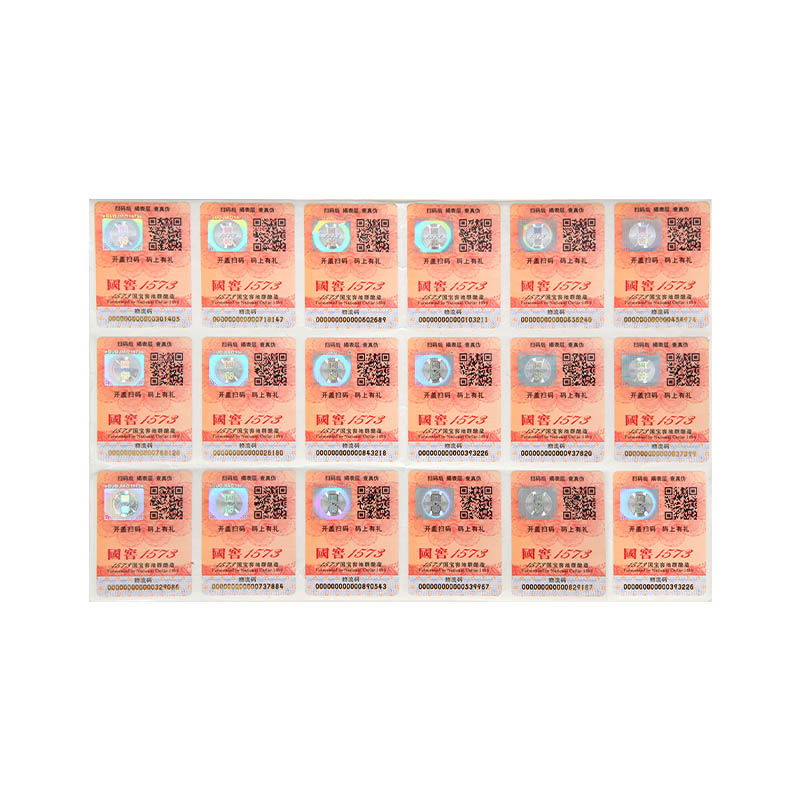
Modern chemical enterprises increasingly emphasize product lifecycle management. Adhesive labels can combine barcodes, QR codes, and serial numbers to achieve batch management and full traceability. When products enter warehousing, logistics, and sales stages, relevant information can be quickly read and recorded, improving supply chain management efficiency. Simultaneously, a comprehensive information tracking system helps enterprises improve quality management and risk control capabilities.
6. Enhances Corporate Image and Standardized Management
Beyond safety labeling, adhesive labels are also an important medium for showcasing a company's brand. A standardized label design not only clearly displays product names, specifications, and safety information but also reflects the company's professional management level. Neat, aesthetically pleasing, and durable labels help enhance product image and increase customer trust in the company's product quality and management capabilities.
In the field of chemical product packaging, adhesive labels not only undertake the important tasks of information transmission and product identification, but also play a key role in safety management and quality assurance. Through their excellent corrosion resistance, durable printing effects, stable adhesion, and comprehensive safety marking functions, adhesive labels effectively ensure the integrity and safety of information related to chemical products during storage, transportation, and use.
1. Improved Corrosion Resistance Ensures Integrity of Information
Chemical product packaging frequently comes into contact with acids, alkalis, oils, and various chemical solvents, placing high demands on label materials. High-quality adhesive labels are typically made of chemically resistant materials, effectively resisting the erosion of external chemical media. Even under prolonged exposure to corrosive environments, the label surface remains intact, less prone to blistering, delamination, or damage, thus ensuring long-term clear visibility of product information.
2. Enhanced Durability of Printed Content
Chemical products undergo various challenges during storage and transportation, including handling, friction, and environmental changes. If label text and graphics are easily worn or faded, product management efficiency will be affected. Adhesive labels, through high-quality printing processes and surface protection treatments, effectively improve the wear resistance and weather resistance of the text and graphics. Even after prolonged exposure to humid, high-temperature, or chemical gas environments, the label content remains clear, ensuring accurate transmission of critical information.
3. Improved Effectiveness of Hazardous Goods Safety Labeling
Many chemical products fall under the category of hazardous materials, requiring clear labeling of hazard levels, handling procedures, and safety warnings. Adhesive labels can visually display important safety information through striking color designs, graphic symbols, and text descriptions. Clear and standardized labeling not only helps staff quickly identify product attributes but also reduces the risk of mishandling and improves safety management during production, transportation, and storage.
4. Stable Adhesion in Complex Environments
Chemical product packaging materials are diverse, including plastic drums, metal containers, glass bottles, and composite packaging. Different materials have different requirements for label adhesion performance. Adhesive labels, through the selection of appropriate adhesive formulations, can firmly adhere to various packaging surfaces, maintaining stable adhesion even in high humidity, high temperature, or low temperature refrigeration environments. Their excellent adhesion prevents information loss due to label detachment.
5. Supports Product Traceability and Information Management
Modern chemical enterprises increasingly emphasize product lifecycle management. Adhesive labels can combine barcodes, QR codes, and serial numbers to achieve batch management and full traceability. When products enter warehousing, logistics, and sales stages, relevant information can be quickly read and recorded, improving supply chain management efficiency. Simultaneously, a comprehensive information tracking system helps enterprises improve quality management and risk control capabilities.
6. Enhances Corporate Image and Standardized Management
Beyond safety labeling, adhesive labels are also an important medium for showcasing a company's brand. A standardized label design not only clearly displays product names, specifications, and safety information but also reflects the company's professional management level. Neat, aesthetically pleasing, and durable labels help enhance product image and increase customer trust in the company's product quality and management capabilities.
In the field of chemical product packaging, adhesive labels not only undertake the important tasks of information transmission and product identification, but also play a key role in safety management and quality assurance. Through their excellent corrosion resistance, durable printing effects, stable adhesion, and comprehensive safety marking functions, adhesive labels effectively ensure the integrity and safety of information related to chemical products during storage, transportation, and use.