


How to achieve a balance between information presentation and visual simplicity in cosmetic boxes within limited space?
Release Time : 2026-06-30
In the increasingly competitive cosmetics market, packaging boxes not only serve the basic function of protecting the product but also act as crucial carriers of brand information and visual expression. Cosmetic boxes are typically limited in size and must simultaneously convey brand identity, product information, and aesthetic design. Therefore, achieving a balance between information presentation and visual simplicity within limited space has become a core challenge in packaging design.
1. Information Hierarchy Enhances Reading Efficiency
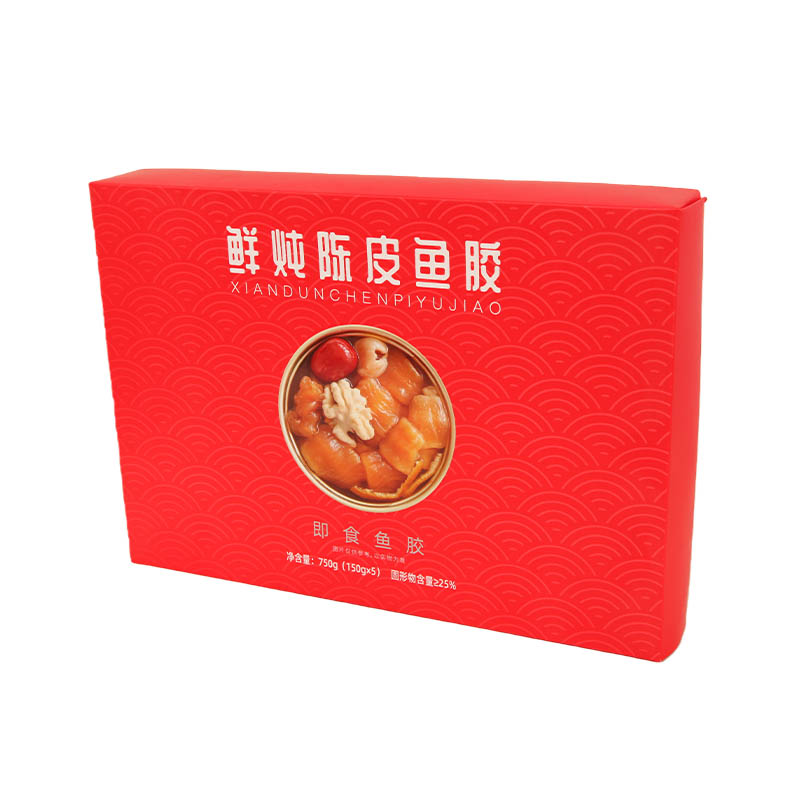
On the limited surface area of packaging, the most critical design strategy is to establish a clear information hierarchy. Typically, the brand name or core visual elements are placed at the visual focal point, highlighted with a larger font size or stronger contrast; while secondary information such as ingredient descriptions and usage instructions are presented in smaller fonts or in a partitioned layout. This clear hierarchy allows consumers to quickly grasp the core information while avoiding excessive visual overload.
2. Simplified Visual Elements Strengthen Brand Recognition
In cosmetic packaging design, excessive decorative elements can easily create visual clutter. Therefore, simplifying graphic language and controlling the number of colors can effectively improve overall simplicity. For example, using a single main color scheme with highlighted accents, or replacing complex illustrations with minimalist line drawings, can effectively highlight the brand's tone within a limited space, making the visual expression more focused and less scattered.
3. Optimizing Spatial Breathability with Appropriate White Space
White space design is a crucial means of achieving visual simplicity. In packaging design, appropriate blank areas not only don't waste space but also enhance readability and overall sophistication. By controlling the spacing between text and graphics, a natural breathing effect can be created between visual elements, effectively avoiding the oppressive feeling of information overload and improving overall visual comfort.
4. Synergistic Optimization of Structural Design and Information Layout
The structural form of the packaging box also affects how information is presented. For example, drawer-style, flip-top, or magnetic packaging can display information in layers on different surfaces, allowing content to gradually unfold and reducing the pressure of information on one side. Furthermore, by rationally planning the unfolding structure and visual path, users can naturally obtain complete information during the opening process, achieving a unity of experience and function.
Overall, cosmetic boxes achieve a balance between information presentation and visual simplicity within a limited space, which is essentially the result of optimized information structure and controlled visual design. Through hierarchical division, visual simplification, reasonable white space, and coordinated structural design, they can ensure the complete delivery of necessary information while maintaining a sophisticated and concise overall visual appeal, thereby enhancing brand image and user experience.
1. Information Hierarchy Enhances Reading Efficiency
On the limited surface area of packaging, the most critical design strategy is to establish a clear information hierarchy. Typically, the brand name or core visual elements are placed at the visual focal point, highlighted with a larger font size or stronger contrast; while secondary information such as ingredient descriptions and usage instructions are presented in smaller fonts or in a partitioned layout. This clear hierarchy allows consumers to quickly grasp the core information while avoiding excessive visual overload.
2. Simplified Visual Elements Strengthen Brand Recognition
In cosmetic packaging design, excessive decorative elements can easily create visual clutter. Therefore, simplifying graphic language and controlling the number of colors can effectively improve overall simplicity. For example, using a single main color scheme with highlighted accents, or replacing complex illustrations with minimalist line drawings, can effectively highlight the brand's tone within a limited space, making the visual expression more focused and less scattered.
3. Optimizing Spatial Breathability with Appropriate White Space
White space design is a crucial means of achieving visual simplicity. In packaging design, appropriate blank areas not only don't waste space but also enhance readability and overall sophistication. By controlling the spacing between text and graphics, a natural breathing effect can be created between visual elements, effectively avoiding the oppressive feeling of information overload and improving overall visual comfort.
4. Synergistic Optimization of Structural Design and Information Layout
The structural form of the packaging box also affects how information is presented. For example, drawer-style, flip-top, or magnetic packaging can display information in layers on different surfaces, allowing content to gradually unfold and reducing the pressure of information on one side. Furthermore, by rationally planning the unfolding structure and visual path, users can naturally obtain complete information during the opening process, achieving a unity of experience and function.
Overall, cosmetic boxes achieve a balance between information presentation and visual simplicity within a limited space, which is essentially the result of optimized information structure and controlled visual design. Through hierarchical division, visual simplification, reasonable white space, and coordinated structural design, they can ensure the complete delivery of necessary information while maintaining a sophisticated and concise overall visual appeal, thereby enhancing brand image and user experience.