


How can custom playing cards enhance their tactile feel and user experience through special paper and embossing techniques?
Release Time : 2026-06-16
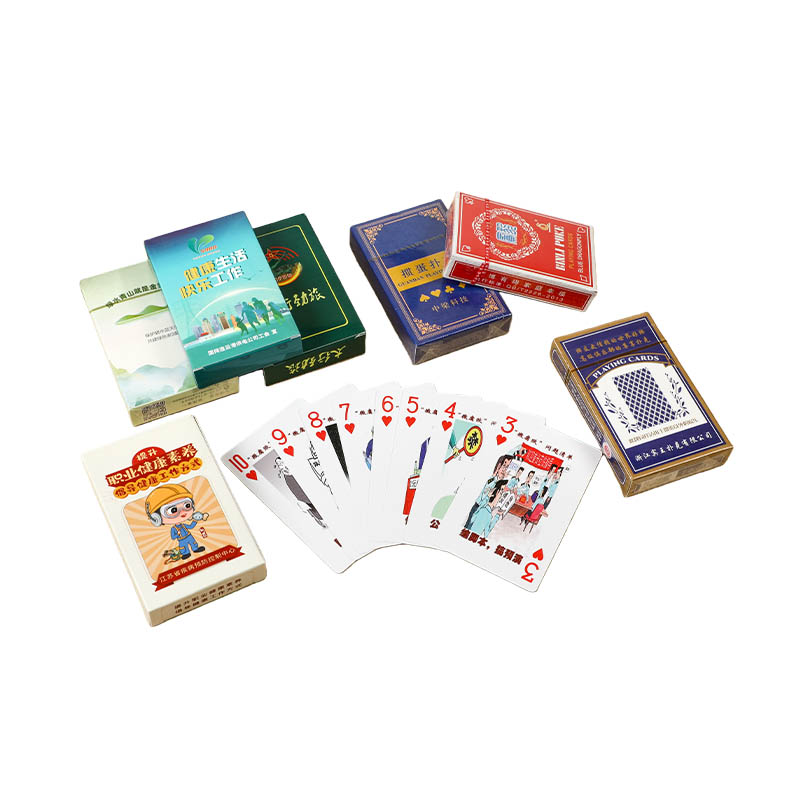
Custom playing cards, with their personalized designs, rich patterns, and excellent entertainment and collectible value, are widely used in leisure and entertainment, brand promotion, cultural creativity, and customized gifts. Especially in corporate promotional activities, tourist souvenirs, anime merchandise, and the high-end collectible market, users not only focus on the visual appeal of the cards but also demand a higher level of tactile feel and user experience. If the paper material is not chosen appropriately or the surface treatment is insufficient, problems such as uneven dealing, card wear, and poor tactile feel can easily occur, affecting the overall user experience.
1. Optimizing Paper Material to Enhance Overall Texture
Paper is a crucial foundation for the quality of playing cards, directly impacting the product's durability and user comfort. By using high-density special paper or multi-layered composite materials, the stiffness and toughness of the cards can be improved, making them less prone to bending and deformation during frequent shuffling and dealing. At the same time, high-quality paper enhances the printing effect, making the colors more vibrant and delicate, improving the overall visual quality, and providing users with a more comfortable experience.
2. Enhanced Tactile Feel with Embossing
Embossing is a crucial technology for improving the feel of playing cards. By creating a uniform and delicate texture on the card surface, the contact area between cards is reduced, thereby lowering friction and improving the smoothness of shuffling and dealing. Simultaneously, the special texture enhances the tactile feedback between fingers and the card surface, improving grip stability and preventing slippage. For entertainment scenarios and magic performances requiring frequent use, a good embossing process effectively improves the user experience, making playing cards smoother and more natural to use.
3. Improved Wear Resistance and Lifespan
During long-term use, playing cards are susceptible to wear and tear due to friction and environmental factors. By combining special paper with embossing, surface wear resistance is enhanced, reducing fading and edge damage. Furthermore, proper surface treatment reduces the probability of scratches, allowing the playing cards to maintain a good appearance and feel even after multiple shuffles and frequent use, thus extending product lifespan and improving product quality and economic value.
4. Improved Moisture Resistance and Stability
Playing cards are easily affected by air humidity and hand sweat during use, leading to softening and sticking. By using special paper with good moisture resistance and a textured surface design, moisture adhesion can be effectively reduced, improving card stability. Even in humid environments, they maintain good stiffness and smoothness, preventing card sticking or deformation, ensuring smooth gameplay, and improving the product's environmental adaptability.
5. Enhanced Overall User Experience and Market Competitiveness
As consumers' demands for product quality and personalization continue to rise, custom playing cards not only need exquisite designs but also excellent tactile feel and operability. Optimizing special paper materials and embossing processes significantly improves the comfort, durability, and smoothness of use of playing cards, providing users with a superior entertainment experience. This also helps to enhance the product's perceived value and market competitiveness.
1. Optimizing Paper Material to Enhance Overall Texture
Paper is a crucial foundation for the quality of playing cards, directly impacting the product's durability and user comfort. By using high-density special paper or multi-layered composite materials, the stiffness and toughness of the cards can be improved, making them less prone to bending and deformation during frequent shuffling and dealing. At the same time, high-quality paper enhances the printing effect, making the colors more vibrant and delicate, improving the overall visual quality, and providing users with a more comfortable experience.
2. Enhanced Tactile Feel with Embossing
Embossing is a crucial technology for improving the feel of playing cards. By creating a uniform and delicate texture on the card surface, the contact area between cards is reduced, thereby lowering friction and improving the smoothness of shuffling and dealing. Simultaneously, the special texture enhances the tactile feedback between fingers and the card surface, improving grip stability and preventing slippage. For entertainment scenarios and magic performances requiring frequent use, a good embossing process effectively improves the user experience, making playing cards smoother and more natural to use.
3. Improved Wear Resistance and Lifespan
During long-term use, playing cards are susceptible to wear and tear due to friction and environmental factors. By combining special paper with embossing, surface wear resistance is enhanced, reducing fading and edge damage. Furthermore, proper surface treatment reduces the probability of scratches, allowing the playing cards to maintain a good appearance and feel even after multiple shuffles and frequent use, thus extending product lifespan and improving product quality and economic value.
4. Improved Moisture Resistance and Stability
Playing cards are easily affected by air humidity and hand sweat during use, leading to softening and sticking. By using special paper with good moisture resistance and a textured surface design, moisture adhesion can be effectively reduced, improving card stability. Even in humid environments, they maintain good stiffness and smoothness, preventing card sticking or deformation, ensuring smooth gameplay, and improving the product's environmental adaptability.
5. Enhanced Overall User Experience and Market Competitiveness
As consumers' demands for product quality and personalization continue to rise, custom playing cards not only need exquisite designs but also excellent tactile feel and operability. Optimizing special paper materials and embossing processes significantly improves the comfort, durability, and smoothness of use of playing cards, providing users with a superior entertainment experience. This also helps to enhance the product's perceived value and market competitiveness.