


How does the integration of intelligent inks on paper food boxes facilitate real-time freshness monitoring and supply chain traceability?
Release Time : 2026-04-16
The evolution of food packaging has transcended its traditional role as a passive vessel for containment, transforming into an active, communicative interface between the product, the supply chain, and the consumer. At the forefront of this revolution is the integration of intelligent inks onto paper food boxes. These advanced functional materials are redefining how we perceive food safety and logistics, turning a simple cardboard container into a dynamic sensor capable of monitoring freshness in real-time and securing the integrity of the supply chain. By leveraging chemical reactions and digital connectivity, intelligent inks provide a visual and data-driven narrative of a product's journey and condition, addressing critical issues of food waste and public health.
The most immediate and consumer-facing application of intelligent inks is in the realm of freshness monitoring. Traditional "use-by" or "best-before" dates are static estimates that do not account for the actual environmental conditions a product has experienced during transport and storage. Intelligent inks, specifically time-temperature indicators (TTIs) and gas-sensitive chromogenic inks, solve this by reacting dynamically to the environment. For instance, thermochromic inks can be formulated to undergo an irreversible color change if a frozen food box is exposed to temperatures above a specific threshold, such as -18°C. This visual cue alerts the retailer and the consumer that the cold chain has been broken and the product's quality may be compromised, regardless of the printed expiration date.
Beyond temperature, paper food boxes can be engineered with inks that detect specific gases associated with spoilage. As perishable foods like meat or fish degrade, they release volatile organic compounds, such as ammonia or amines. pH-sensitive inks, often derived from natural pigments like anthocyanins, can be printed directly onto the packaging surface. When these inks come into contact with the specific gases released by decaying food, they change color—perhaps shifting from a vibrant blue to a warning red. This provides a direct, visual indication of the food's microbiological status, allowing a consumer to assess freshness instantly without opening the package or relying on smell. This technology shifts the paradigm from "trust the date" to "trust the condition," significantly reducing the anxiety associated with food safety and preventing the premature disposal of edible food.
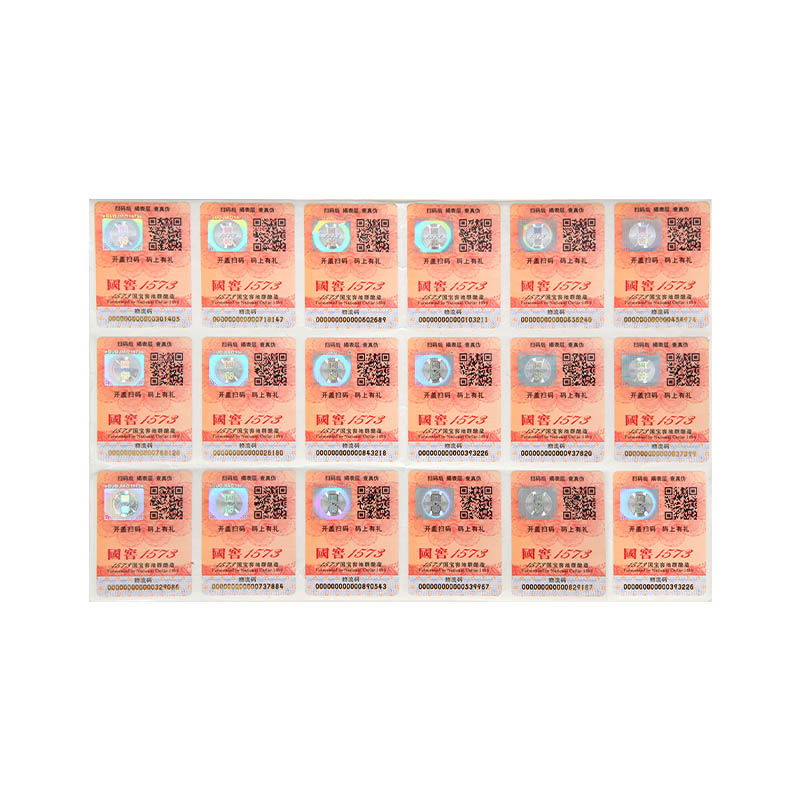
In the context of supply chain traceability, intelligent inks play a pivotal role in the "digitization" of paper packaging. While standard barcodes have long been used for inventory, modern conductive and magnetic inks enable the printing of complex Radio Frequency Identification (RFID) antennas and Near Field Communication (NFC) tags directly onto paper substrates. This process, often achieved through roll-to-roll printing, is far more cost-effective and sustainable than attaching separate plastic electronic tags. These printed digital identifiers act as a unique "fingerprint" for each box, allowing it to be tracked individually as it moves from the manufacturing plant to the distribution center and finally to the retail shelf.
This level of granular tracking is essential for maintaining the integrity of the cold chain and optimizing logistics. Sensors printed with conductive inks can monitor environmental parameters such as humidity, shock, and light exposure throughout the transportation process. This data can be transmitted wirelessly to supply chain managers, providing a real-time dashboard of the shipment's status. If a truck's refrigeration unit fails, the system can alert the logistics team immediately, allowing for intervention before the entire load spoils. Furthermore, this data creates an immutable record of the product's journey. In the event of a food safety recall, this traceability allows companies to pinpoint exactly which batches are affected and where they are located, minimizing the scope of the recall and protecting public health with unprecedented speed.
The environmental implications of intelligent inks on paper products are also profound. As the industry moves away from single-use plastics, paper remains the preferred sustainable alternative. However, paper lacks the inherent barrier properties of plastic. Intelligent inks help bridge this gap by ensuring that the food inside the paper packaging remains safe, thereby justifying the use of paper over plastic for a wider range of applications. Moreover, the development of bio-based conductive inks, utilizing materials like graphene or carbon black, ensures that the electronic components of the packaging do not hinder the recyclability or compostability of the paper box. This aligns with the circular economy, where packaging is designed to be recovered and regenerated.
The synergy between artificial intelligence (AI) and these printed sensors further amplifies their utility. AI algorithms can analyze the color changes captured by smartphone cameras to quantify the exact degree of spoilage, removing the subjectivity of human vision. This "smartphone-as-a-sensor" approach democratizes food safety, putting laboratory-grade diagnostic tools into the hands of consumers. Simultaneously, the data collected from millions of these smart packages can be aggregated to analyze supply chain inefficiencies, predict demand based on spoilage rates, and optimize production schedules.
Ultimately, the integration of intelligent inks on paper food boxes represents a convergence of material science, chemistry, and data technology. It transforms the packaging from a silent container into an active guardian of food quality. By providing real-time visibility into the freshness of the product and the history of its journey, these technologies empower consumers to make informed decisions and enable the industry to operate with greater transparency and efficiency. As these technologies mature and become more affordable, the paper food box of the future will not just hold our meals; it will tell us their story, ensuring that what we eat is as safe and traceable as possible.
The most immediate and consumer-facing application of intelligent inks is in the realm of freshness monitoring. Traditional "use-by" or "best-before" dates are static estimates that do not account for the actual environmental conditions a product has experienced during transport and storage. Intelligent inks, specifically time-temperature indicators (TTIs) and gas-sensitive chromogenic inks, solve this by reacting dynamically to the environment. For instance, thermochromic inks can be formulated to undergo an irreversible color change if a frozen food box is exposed to temperatures above a specific threshold, such as -18°C. This visual cue alerts the retailer and the consumer that the cold chain has been broken and the product's quality may be compromised, regardless of the printed expiration date.
Beyond temperature, paper food boxes can be engineered with inks that detect specific gases associated with spoilage. As perishable foods like meat or fish degrade, they release volatile organic compounds, such as ammonia or amines. pH-sensitive inks, often derived from natural pigments like anthocyanins, can be printed directly onto the packaging surface. When these inks come into contact with the specific gases released by decaying food, they change color—perhaps shifting from a vibrant blue to a warning red. This provides a direct, visual indication of the food's microbiological status, allowing a consumer to assess freshness instantly without opening the package or relying on smell. This technology shifts the paradigm from "trust the date" to "trust the condition," significantly reducing the anxiety associated with food safety and preventing the premature disposal of edible food.
In the context of supply chain traceability, intelligent inks play a pivotal role in the "digitization" of paper packaging. While standard barcodes have long been used for inventory, modern conductive and magnetic inks enable the printing of complex Radio Frequency Identification (RFID) antennas and Near Field Communication (NFC) tags directly onto paper substrates. This process, often achieved through roll-to-roll printing, is far more cost-effective and sustainable than attaching separate plastic electronic tags. These printed digital identifiers act as a unique "fingerprint" for each box, allowing it to be tracked individually as it moves from the manufacturing plant to the distribution center and finally to the retail shelf.
This level of granular tracking is essential for maintaining the integrity of the cold chain and optimizing logistics. Sensors printed with conductive inks can monitor environmental parameters such as humidity, shock, and light exposure throughout the transportation process. This data can be transmitted wirelessly to supply chain managers, providing a real-time dashboard of the shipment's status. If a truck's refrigeration unit fails, the system can alert the logistics team immediately, allowing for intervention before the entire load spoils. Furthermore, this data creates an immutable record of the product's journey. In the event of a food safety recall, this traceability allows companies to pinpoint exactly which batches are affected and where they are located, minimizing the scope of the recall and protecting public health with unprecedented speed.
The environmental implications of intelligent inks on paper products are also profound. As the industry moves away from single-use plastics, paper remains the preferred sustainable alternative. However, paper lacks the inherent barrier properties of plastic. Intelligent inks help bridge this gap by ensuring that the food inside the paper packaging remains safe, thereby justifying the use of paper over plastic for a wider range of applications. Moreover, the development of bio-based conductive inks, utilizing materials like graphene or carbon black, ensures that the electronic components of the packaging do not hinder the recyclability or compostability of the paper box. This aligns with the circular economy, where packaging is designed to be recovered and regenerated.
The synergy between artificial intelligence (AI) and these printed sensors further amplifies their utility. AI algorithms can analyze the color changes captured by smartphone cameras to quantify the exact degree of spoilage, removing the subjectivity of human vision. This "smartphone-as-a-sensor" approach democratizes food safety, putting laboratory-grade diagnostic tools into the hands of consumers. Simultaneously, the data collected from millions of these smart packages can be aggregated to analyze supply chain inefficiencies, predict demand based on spoilage rates, and optimize production schedules.
Ultimately, the integration of intelligent inks on paper food boxes represents a convergence of material science, chemistry, and data technology. It transforms the packaging from a silent container into an active guardian of food quality. By providing real-time visibility into the freshness of the product and the history of its journey, these technologies empower consumers to make informed decisions and enable the industry to operate with greater transparency and efficiency. As these technologies mature and become more affordable, the paper food box of the future will not just hold our meals; it will tell us their story, ensuring that what we eat is as safe and traceable as possible.