


How do paper food boxes protect food safety and a green future with a "shield of nature"?
Release Time : 2026-03-31
In today's fast-paced life, food packaging has long transcended its simple function of holding food; it has become a crucial link connecting food safety, consumer experience, and environmental responsibility. As delivery riders weave through city streets, as the aroma of bakeries wafts through shop windows, and as supermarket shelves are overflowing with snacks, high-quality paper food boxes, with their unique advantages, silently protect the quality and safety of every meal. They eliminate the environmental burden of traditional plastic packaging, using natural fibers to build a "shield of nature," ensuring food freshness and hygiene while injecting sustainable green energy into the Earth's ecosystem.
A Safety Barrier Built with Natural Materials
The core advantage of paper food boxes stems from their natural properties, using virgin wood pulp or recycled paper pulp as their base material. These rigorously selected and processed plant fibers are free of harmful chemicals such as bisphenol A and phthalates, eliminating the risk of migration when packaging comes into contact with food. In the production process, multiple treatments, including high-temperature steaming and ultraviolet sterilization, thoroughly inactivate microorganisms and impurities in the pulp, ensuring that the packaging boxes meet food-grade hygiene standards upon leaving the factory. For fried chicken and French fries with high oil content, or fruits and salads with high water content, paper packaging uses an inner layer coating or lamination process to form a dense barrier layer, effectively preventing oil penetration and moisture loss, while also preventing the packaging material from deforming due to moisture and losing its protective function. This dual protection of "natural + technology" ensures that every food item remains in optimal condition during transportation and storage, giving consumers peace of mind and trust the moment they open the package.
The Art of Balancing Breathability and Freshness Preservation
Unlike the complete seal of plastic packaging, paper food boxes possess unique micro-breathability, a characteristic that gives them an irreplaceable advantage in the field of food preservation. Freshly baked bread and cakes require adequate air circulation to maintain their crispness. The fibrous structure of paper boxes allows excess moisture to dissipate slowly, preventing the crust from softening and moldy due to moisture buildup. Meanwhile, cut fruits, vegetables, and fresh meat need a low-oxygen environment to slow oxidation. Paper packaging, by adjusting the permeability coefficient of its inner coating, precisely controls the exchange rate of oxygen and carbon dioxide, creating an ideal "breathing environment" for food. This precise control of permeability avoids the growth of anaerobic bacteria caused by complete sealing, while also preventing moisture loss due to excessive permeability. This allows food to maintain its fresh color and flavor throughout its shelf life, reducing food waste caused by spoilage and aligning with modern society's pursuit of resource conservation.
A Perfect Blend of Flexibility and Aesthetics
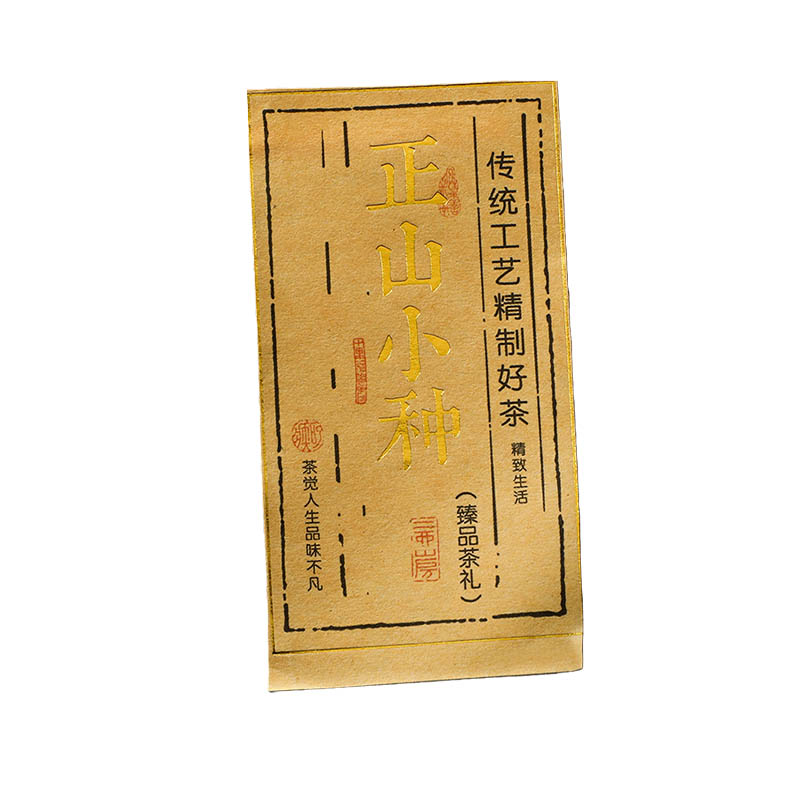
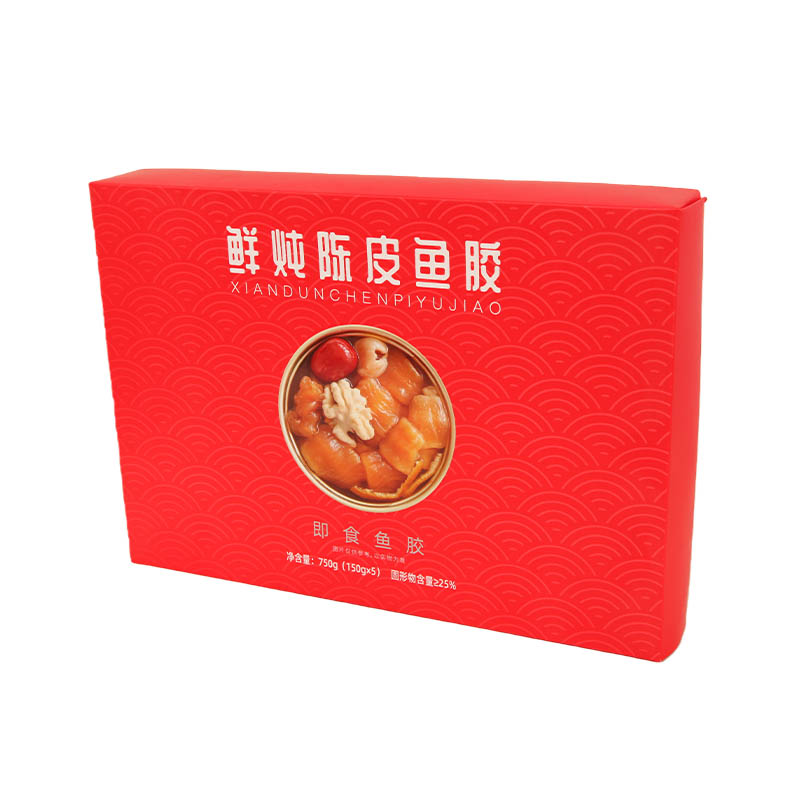
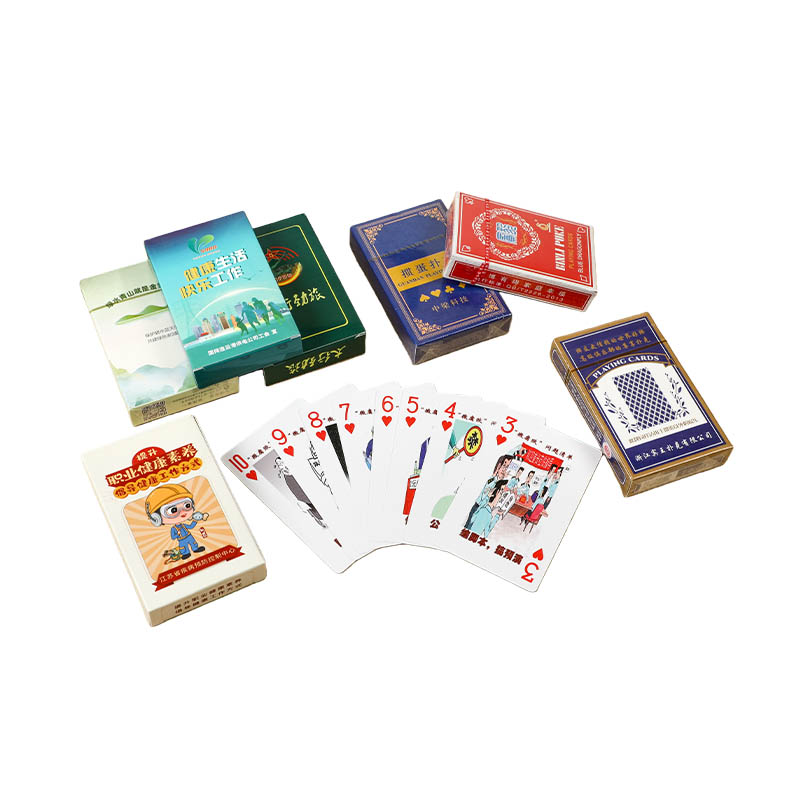
Paper food boxes are highly flexible. Through die-cutting, creasing, and folding processes, they can be easily made into various shapes, including square, round, and irregular shapes, adapting to the packaging needs of various foods, from hamburgers and sushi to desserts and nuts. Merchants can design unique box structures based on their brand positioning, such as gift boxes with handles, multi-compartment boxes with layered storage, and windowed boxes for easy handling. This enhances both the portability of food and the sense of ritual in the consumer experience. In terms of printing, paper has excellent ink absorption, ensuring that vibrant cartoon patterns, exquisite brand logos, and detailed food information are clearly displayed and resistant to fading. Some high-end paper boxes also employ special processes such as hot stamping, embossing, and matte lamination, giving the packaging a luxurious feel and making it stand out on the shelf, becoming a "silent salesman" to attract consumers. This dual attribute of "function + aesthetics" makes paper packaging boxes not only containers for food but also extensions of brand image and carriers of consumer emotions.
The Ecological Value of Green Circulation
Under the "dual carbon" goal, the environmental attributes of paper food boxes are particularly valuable. Their main raw materials come from sustainably managed forest resources. During their growth, trees absorb carbon dioxide and release oxygen through photosynthesis, forming a natural carbon sink cycle. Used cardboard boxes can enter the recycling process through a waste sorting and recycling system. Through pulping, deinking, and papermaking, they are transformed back into pulp for the production of new packaging or other paper products, achieving closed-loop resource utilization. Even if not recycled, paper packaging can gradually degrade in the natural environment through microbial decomposition, unlike plastic which causes "white pollution" and long-term harm to soil and water. This circular characteristic of "originating from nature and returning to nature" makes it an ideal alternative to single-use plastic packaging, helping the catering and retail industries achieve green transformation and contributing to the construction of a low-carbon society.
Multiple Values Adapted to Various Scenarios
The application scenarios of paper food boxes have long since expanded beyond the traditional catering sector, extending to more diverse life scenarios. In bakeries, its layered design protects cake bases from being squeezed and deformed, while transparent windows allow consumers to see product details directly. In supermarket snack sections, it serves as packaging for nuts and cookies, delaying oil oxidation and maintaining a crisp texture thanks to its excellent light-blocking properties. In fresh food e-commerce, it is used in conjunction with insulated bags and ice packs to provide extra protection for meat and seafood during cold chain transportation, reducing the impact of temperature fluctuations on quality. For the food delivery industry, the airtightness and sturdiness of paper packaging boxes effectively prevent food spills, while their flat, folded shape facilitates storage and transportation, reducing logistics costs. This versatility makes them an indispensable part of the food supply chain, meeting the diverse needs for packaging functionality and cost in different scenarios.
Technological Upgrades
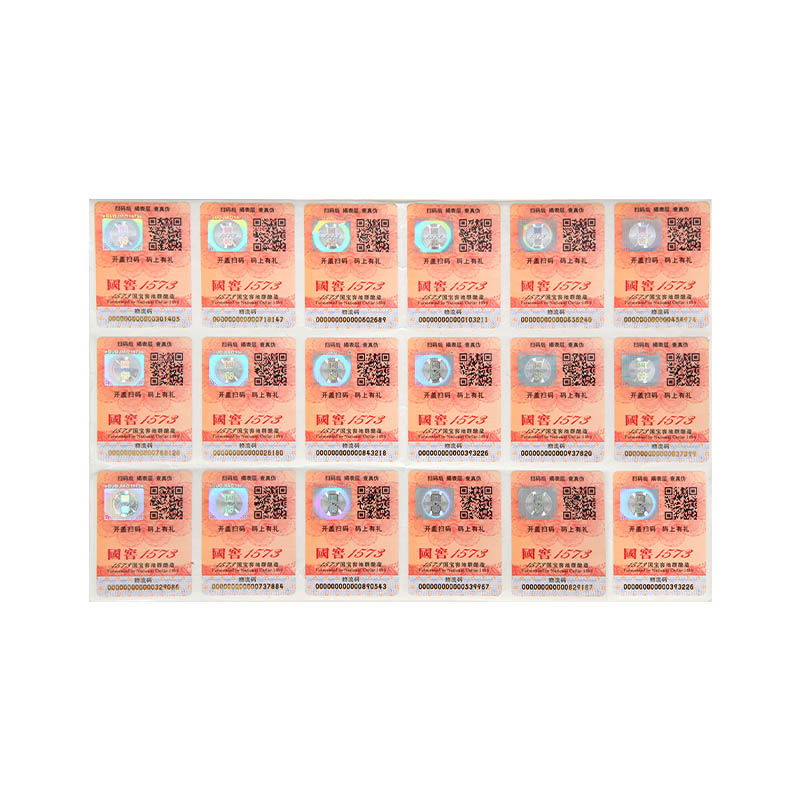
With advancements in materials science and printing technology, the performance of paper food boxes has been continuously upgraded, breaking through the limitations of traditional paper packaging. The application of nano-coating technology gives paper boxes stronger waterproof, oil-proof, and antibacterial properties, allowing them to replace some plastic packaging for high-oil and high-moisture foods. The integration of smart packaging technology allows paper boxes to display food freshness through color-changing labels or trace production information through QR codes, improving the efficiency of food safety supervision. The development of biodegradable coating materials has solved the problem of the difficulty in recycling traditional coated paper, enabling paper boxes to achieve full-component biodegradability while maintaining barrier properties. These technological innovations have enabled paper packaging boxes to continuously expand their functional boundaries while adhering to their environmental protection principles, injecting new vitality into the food packaging industry and bringing consumers a safer and more convenient experience.
From farm to table, from factory to shelf, paper food boxes, based on natural materials and powered by technological innovation, safeguard food safety while practicing the concept of green development. They are not only protectors of food but also advocates of environmentally friendly living, conveying reverence for nature and anticipation for the future in every moment of opening and discarding. With the awakening of consumer environmental awareness and the improvement of industry standards, paper food boxes will undoubtedly occupy a more important position in the food packaging field, becoming a bridge connecting deliciousness and a sustainable future.
A Safety Barrier Built with Natural Materials
The core advantage of paper food boxes stems from their natural properties, using virgin wood pulp or recycled paper pulp as their base material. These rigorously selected and processed plant fibers are free of harmful chemicals such as bisphenol A and phthalates, eliminating the risk of migration when packaging comes into contact with food. In the production process, multiple treatments, including high-temperature steaming and ultraviolet sterilization, thoroughly inactivate microorganisms and impurities in the pulp, ensuring that the packaging boxes meet food-grade hygiene standards upon leaving the factory. For fried chicken and French fries with high oil content, or fruits and salads with high water content, paper packaging uses an inner layer coating or lamination process to form a dense barrier layer, effectively preventing oil penetration and moisture loss, while also preventing the packaging material from deforming due to moisture and losing its protective function. This dual protection of "natural + technology" ensures that every food item remains in optimal condition during transportation and storage, giving consumers peace of mind and trust the moment they open the package.
The Art of Balancing Breathability and Freshness Preservation
Unlike the complete seal of plastic packaging, paper food boxes possess unique micro-breathability, a characteristic that gives them an irreplaceable advantage in the field of food preservation. Freshly baked bread and cakes require adequate air circulation to maintain their crispness. The fibrous structure of paper boxes allows excess moisture to dissipate slowly, preventing the crust from softening and moldy due to moisture buildup. Meanwhile, cut fruits, vegetables, and fresh meat need a low-oxygen environment to slow oxidation. Paper packaging, by adjusting the permeability coefficient of its inner coating, precisely controls the exchange rate of oxygen and carbon dioxide, creating an ideal "breathing environment" for food. This precise control of permeability avoids the growth of anaerobic bacteria caused by complete sealing, while also preventing moisture loss due to excessive permeability. This allows food to maintain its fresh color and flavor throughout its shelf life, reducing food waste caused by spoilage and aligning with modern society's pursuit of resource conservation.
A Perfect Blend of Flexibility and Aesthetics
Paper food boxes are highly flexible. Through die-cutting, creasing, and folding processes, they can be easily made into various shapes, including square, round, and irregular shapes, adapting to the packaging needs of various foods, from hamburgers and sushi to desserts and nuts. Merchants can design unique box structures based on their brand positioning, such as gift boxes with handles, multi-compartment boxes with layered storage, and windowed boxes for easy handling. This enhances both the portability of food and the sense of ritual in the consumer experience. In terms of printing, paper has excellent ink absorption, ensuring that vibrant cartoon patterns, exquisite brand logos, and detailed food information are clearly displayed and resistant to fading. Some high-end paper boxes also employ special processes such as hot stamping, embossing, and matte lamination, giving the packaging a luxurious feel and making it stand out on the shelf, becoming a "silent salesman" to attract consumers. This dual attribute of "function + aesthetics" makes paper packaging boxes not only containers for food but also extensions of brand image and carriers of consumer emotions.
The Ecological Value of Green Circulation
Under the "dual carbon" goal, the environmental attributes of paper food boxes are particularly valuable. Their main raw materials come from sustainably managed forest resources. During their growth, trees absorb carbon dioxide and release oxygen through photosynthesis, forming a natural carbon sink cycle. Used cardboard boxes can enter the recycling process through a waste sorting and recycling system. Through pulping, deinking, and papermaking, they are transformed back into pulp for the production of new packaging or other paper products, achieving closed-loop resource utilization. Even if not recycled, paper packaging can gradually degrade in the natural environment through microbial decomposition, unlike plastic which causes "white pollution" and long-term harm to soil and water. This circular characteristic of "originating from nature and returning to nature" makes it an ideal alternative to single-use plastic packaging, helping the catering and retail industries achieve green transformation and contributing to the construction of a low-carbon society.
Multiple Values Adapted to Various Scenarios
The application scenarios of paper food boxes have long since expanded beyond the traditional catering sector, extending to more diverse life scenarios. In bakeries, its layered design protects cake bases from being squeezed and deformed, while transparent windows allow consumers to see product details directly. In supermarket snack sections, it serves as packaging for nuts and cookies, delaying oil oxidation and maintaining a crisp texture thanks to its excellent light-blocking properties. In fresh food e-commerce, it is used in conjunction with insulated bags and ice packs to provide extra protection for meat and seafood during cold chain transportation, reducing the impact of temperature fluctuations on quality. For the food delivery industry, the airtightness and sturdiness of paper packaging boxes effectively prevent food spills, while their flat, folded shape facilitates storage and transportation, reducing logistics costs. This versatility makes them an indispensable part of the food supply chain, meeting the diverse needs for packaging functionality and cost in different scenarios.
Technological Upgrades
With advancements in materials science and printing technology, the performance of paper food boxes has been continuously upgraded, breaking through the limitations of traditional paper packaging. The application of nano-coating technology gives paper boxes stronger waterproof, oil-proof, and antibacterial properties, allowing them to replace some plastic packaging for high-oil and high-moisture foods. The integration of smart packaging technology allows paper boxes to display food freshness through color-changing labels or trace production information through QR codes, improving the efficiency of food safety supervision. The development of biodegradable coating materials has solved the problem of the difficulty in recycling traditional coated paper, enabling paper boxes to achieve full-component biodegradability while maintaining barrier properties. These technological innovations have enabled paper packaging boxes to continuously expand their functional boundaries while adhering to their environmental protection principles, injecting new vitality into the food packaging industry and bringing consumers a safer and more convenient experience.
From farm to table, from factory to shelf, paper food boxes, based on natural materials and powered by technological innovation, safeguard food safety while practicing the concept of green development. They are not only protectors of food but also advocates of environmentally friendly living, conveying reverence for nature and anticipation for the future in every moment of opening and discarding. With the awakening of consumer environmental awareness and the improvement of industry standards, paper food boxes will undoubtedly occupy a more important position in the food packaging field, becoming a bridge connecting deliciousness and a sustainable future.