



How can customized anti-counterfeiting labels build a solid defense for brand security?
Release Time : 2026-03-26
In today's highly prosperous commodity economy, brand reputation has become a company's most valuable intangible asset. The proliferation of counterfeit and substandard products, like a lurking shadow, constantly threatens the healthy order of the market and the vital interests of consumers. Faced with increasingly rampant counterfeiting methods, traditional single anti-counterfeiting measures often prove inadequate, failing to build an effective defensive barrier. Customized anti-counterfeiting labels have emerged to address this issue. With their diverse technological options and extremely high security, they have become a key tool for brands to protect their value and rebuild market trust, giving each genuine product a unique digital identity.
The core advantage of customized anti-counterfeiting labels lies in their high flexibility and targeted approach. Different industries, different products, and even different price points in the market have varying needs for anti-counterfeiting technologies. Through customization services, companies can select the most suitable combination of solutions from a vast library of anti-counterfeiting technologies based on the characteristics of their products and the distribution environment. This tailored strategy breaks away from the limitations of standardized, one-size-fits-all labels, allowing anti-counterfeiting systems to precisely match the unique needs of brands. Whether it's the prestigious feel of high-end luxury goods or the convenient verification of fast-moving consumer goods, customized labels find the optimal balance, ensuring security while also considering aesthetics and user experience, seamlessly integrating anti-counterfeiting functionality into the overall aesthetics of product packaging design.
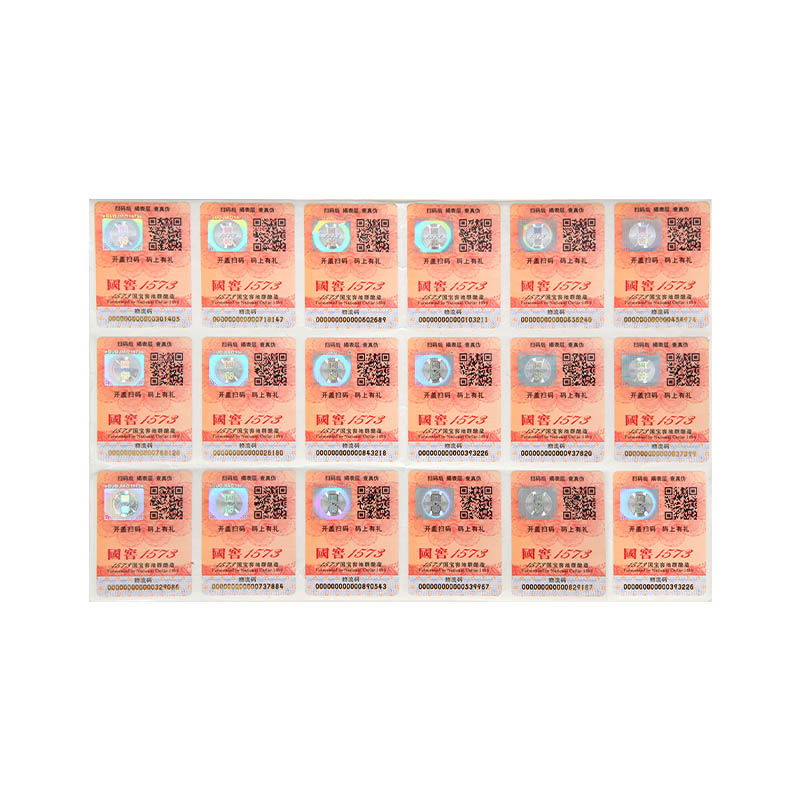
Modern customized anti-counterfeiting labels integrate multiple cutting-edge technologies, constructing a multi-dimensional security network. Optical anti-counterfeiting technology utilizes photochromic inks, holographic images, or microtext to create visual spectacles that are visible to the naked eye but difficult to replicate. As the viewing angle changes, they display dazzling color transitions or dynamic effects, deterring counterfeiters. Digital anti-counterfeiting technology assigns each label a unique encrypted QR code or digital string. Consumers can instantly verify authenticity by scanning with their mobile phones and trace the product's production batch, logistics trajectory, and even the source of raw materials, achieving transparent management throughout the entire product lifecycle. Furthermore, the introduction of cutting-edge technologies such as biometric identification, nanomaterial implantation, and blockchain traceability has raised the anti-counterfeiting threshold to an unprecedented level, making the cost of counterfeiting far exceed the potential for illegal profits, thus curbing the motivation for counterfeiting at its source.
High security is not only reflected in the complexity of the technology but also in the system's closed and dynamic nature. Customized anti-counterfeiting labels often employ a one-time tamper-evident structure; once torn, they cannot be restored, effectively preventing the labels from being transferred and reused. The backend data management system monitors query behavior in real time. Once abnormal large-scale scanning or duplicate verification is detected, the system automatically issues an alert and locks down the risk area, assisting companies in quickly locating the source of counterfeit goods and taking action. This dynamic and static, online and offline coordinated defense mechanism transforms anti-counterfeiting labels from static identifiers into an active intelligent monitoring network, constantly safeguarding the brand's security boundaries.
For consumers, customized anti-counterfeiting labels provide reassurance in distinguishing genuine products from counterfeits and serve as a bridge to building brand loyalty. In a market environment of information asymmetry, an easily identifiable and authoritative anti-counterfeiting label can significantly reduce consumer decision-making risks and enhance purchasing confidence. When consumers can easily verify the authenticity of a product, their trust in the brand naturally arises, which then translates into long-term repeat purchases and positive word-of-mouth. Conversely, brands lacking effective anti-counterfeiting protection are highly vulnerable to losing market share under the onslaught of counterfeit goods, and may even face a crisis of brand image collapse. Therefore, investing in customized anti-counterfeiting labels is essentially investing in the brand's future survival.
Customized anti-counterfeiting labels, with their diversified technological matrix and superior security performance, have become a link connecting brands and consumers' trust. They are not only a sharp weapon against counterfeit goods, but also an important cornerstone for enhancing brand value and regulating market order. In the fierce market competition, only those companies that prioritize product safety and are willing to adopt advanced anti-counterfeiting technologies can remain invincible in the complex market landscape, allowing the light of authenticity to illuminate every corner and safeguarding every hard-won trust and entrustment.
The core advantage of customized anti-counterfeiting labels lies in their high flexibility and targeted approach. Different industries, different products, and even different price points in the market have varying needs for anti-counterfeiting technologies. Through customization services, companies can select the most suitable combination of solutions from a vast library of anti-counterfeiting technologies based on the characteristics of their products and the distribution environment. This tailored strategy breaks away from the limitations of standardized, one-size-fits-all labels, allowing anti-counterfeiting systems to precisely match the unique needs of brands. Whether it's the prestigious feel of high-end luxury goods or the convenient verification of fast-moving consumer goods, customized labels find the optimal balance, ensuring security while also considering aesthetics and user experience, seamlessly integrating anti-counterfeiting functionality into the overall aesthetics of product packaging design.
Modern customized anti-counterfeiting labels integrate multiple cutting-edge technologies, constructing a multi-dimensional security network. Optical anti-counterfeiting technology utilizes photochromic inks, holographic images, or microtext to create visual spectacles that are visible to the naked eye but difficult to replicate. As the viewing angle changes, they display dazzling color transitions or dynamic effects, deterring counterfeiters. Digital anti-counterfeiting technology assigns each label a unique encrypted QR code or digital string. Consumers can instantly verify authenticity by scanning with their mobile phones and trace the product's production batch, logistics trajectory, and even the source of raw materials, achieving transparent management throughout the entire product lifecycle. Furthermore, the introduction of cutting-edge technologies such as biometric identification, nanomaterial implantation, and blockchain traceability has raised the anti-counterfeiting threshold to an unprecedented level, making the cost of counterfeiting far exceed the potential for illegal profits, thus curbing the motivation for counterfeiting at its source.
High security is not only reflected in the complexity of the technology but also in the system's closed and dynamic nature. Customized anti-counterfeiting labels often employ a one-time tamper-evident structure; once torn, they cannot be restored, effectively preventing the labels from being transferred and reused. The backend data management system monitors query behavior in real time. Once abnormal large-scale scanning or duplicate verification is detected, the system automatically issues an alert and locks down the risk area, assisting companies in quickly locating the source of counterfeit goods and taking action. This dynamic and static, online and offline coordinated defense mechanism transforms anti-counterfeiting labels from static identifiers into an active intelligent monitoring network, constantly safeguarding the brand's security boundaries.
For consumers, customized anti-counterfeiting labels provide reassurance in distinguishing genuine products from counterfeits and serve as a bridge to building brand loyalty. In a market environment of information asymmetry, an easily identifiable and authoritative anti-counterfeiting label can significantly reduce consumer decision-making risks and enhance purchasing confidence. When consumers can easily verify the authenticity of a product, their trust in the brand naturally arises, which then translates into long-term repeat purchases and positive word-of-mouth. Conversely, brands lacking effective anti-counterfeiting protection are highly vulnerable to losing market share under the onslaught of counterfeit goods, and may even face a crisis of brand image collapse. Therefore, investing in customized anti-counterfeiting labels is essentially investing in the brand's future survival.
Customized anti-counterfeiting labels, with their diversified technological matrix and superior security performance, have become a link connecting brands and consumers' trust. They are not only a sharp weapon against counterfeit goods, but also an important cornerstone for enhancing brand value and regulating market order. In the fierce market competition, only those companies that prioritize product safety and are willing to adopt advanced anti-counterfeiting technologies can remain invincible in the complex market landscape, allowing the light of authenticity to illuminate every corner and safeguarding every hard-won trust and entrustment.