


How can customized transparent logo trademarks achieve a unique and highly recognizable visual presentation?
Release Time : 2026-03-18
In today's increasingly fierce brand competition, packaging and product surfaces are no longer merely carriers of information, but rather the primary arena for a silent dialogue between brands and consumers. Traditional paper or opaque labels often resemble "patches," forcibly covering the product surface and disrupting its inherent texture. Transparent logo trademarks utilize optical principles and advanced technology to perfectly integrate brand information into the product itself, achieving a unique visual presentation that is "invisible" yet highly recognizable, endowing the brand with an aesthetic value that combines sophistication and technological sophistication.
1. "Label-Free" Aesthetics: Letting the Product's True Colors Take Center Stage
The core visual magic of customized transparent logo trademarks lies in the "label-free" feeling they create. Made from highly transparent materials, the background color of the logo is indistinguishable from air. When affixed to glass bottles, plastic containers, or metal cans, the background color is entirely determined by the product's own color or contents. This design strategy greatly unleashes the product's visual tension. For alcoholic beverages, cosmetics, or high-end drinks, the color of the liquid, the flow of bubbles, or the frosted texture of the bottle can all be clearly seen through the label.
2. Light and Shadow Magic: Creating Recognition Through Refraction and Contrast
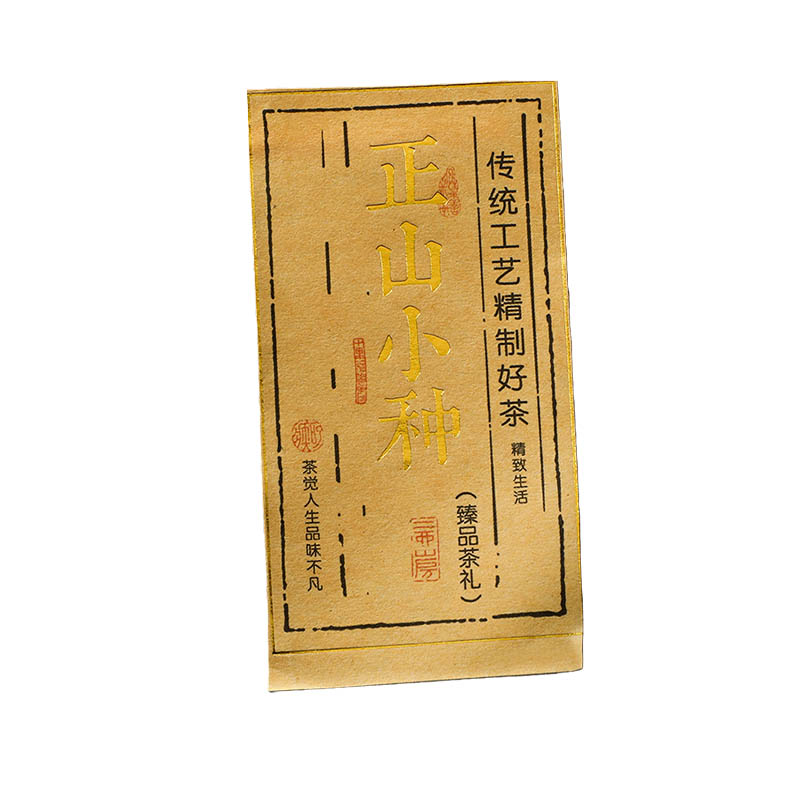
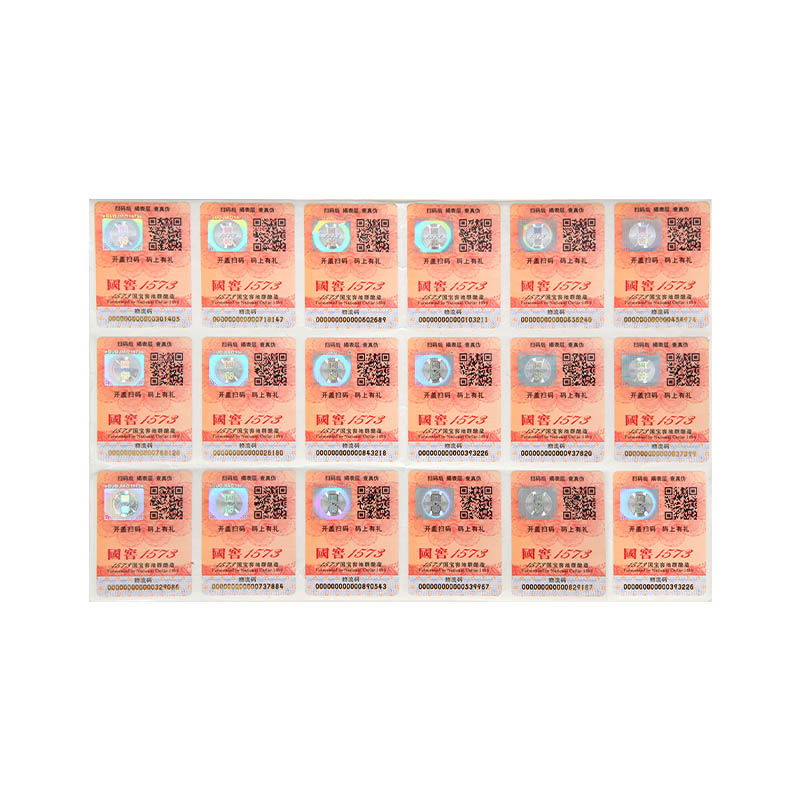
Transparency doesn't mean "invisible." On the contrary, it creates a more eye-catching visual focus than opaque labels through clever light and shadow interactions. Custom transparent labels typically combine partial varnishing, hot stamping (gold, silver), or embossing. When light shines on these specially treated areas, the high light transmittance of the transparent substrate contrasts sharply with the reflectivity of the ink/foil layer. On the transparent bottle, only the brand logo displays a brilliant metallic sheen or three-dimensional texture, while the rest remains completely invisible. This "interplay of reality and illusion" effect allows the label to exhibit dynamic visual changes under different angles and lighting conditions. When consumers rotate the product, they will see the logo appear and disappear, shimmering, as the light moves.
3. Craftsmanship Empowerment: Microscopic Details Create Macroscopic Uniqueness
The key to achieving a unique visual presentation lies in the precise application of customized processes. Modern printing technology allows for extremely high-precision printing of fine lines and gradient colors on transparent materials, without the jagged edges or glue overflow seen with traditional white labels. Through optimized die-cutting processes, transparent labels can be cut to any complex shape with "zero margins," resulting in mirror-smooth edges that are virtually indistinguishable to the naked eye.
4. Scene Integration: Consistent Visual Experience Across All Channels
Another major advantage of customized transparent logo trademarks is their exceptional environmental adaptability. Whether it's a beverage bottle with condensation in a freezer or toiletries in a humid bathroom, the superior waterproof, oil-proof, and corrosion-resistant properties of transparent materials ensure that the label remains clear and legible, without fading or peeling. More importantly, it maintains visual consistency against different background colors. The same transparent label automatically adapts to dark, light, or transparent packaging, avoiding the jarring effect of white labels against dark backgrounds or the illegible appearance of transparent text against light backgrounds.
Customizing transparent logo trademarks is not simply a matter of material replacement, but a profound revolution in brand visual expression. It abandons the overpowering act of covering up, opting instead for harmonious integration; it utilizes the quality of transparency to transform the product's inherent texture into part of the brand's equity. Through the refraction of light and shadow, meticulous craftsmanship, and ingenious design, transparent logos achieve the most striking "visibility" while remaining "invisible."
1. "Label-Free" Aesthetics: Letting the Product's True Colors Take Center Stage
The core visual magic of customized transparent logo trademarks lies in the "label-free" feeling they create. Made from highly transparent materials, the background color of the logo is indistinguishable from air. When affixed to glass bottles, plastic containers, or metal cans, the background color is entirely determined by the product's own color or contents. This design strategy greatly unleashes the product's visual tension. For alcoholic beverages, cosmetics, or high-end drinks, the color of the liquid, the flow of bubbles, or the frosted texture of the bottle can all be clearly seen through the label.
2. Light and Shadow Magic: Creating Recognition Through Refraction and Contrast
Transparency doesn't mean "invisible." On the contrary, it creates a more eye-catching visual focus than opaque labels through clever light and shadow interactions. Custom transparent labels typically combine partial varnishing, hot stamping (gold, silver), or embossing. When light shines on these specially treated areas, the high light transmittance of the transparent substrate contrasts sharply with the reflectivity of the ink/foil layer. On the transparent bottle, only the brand logo displays a brilliant metallic sheen or three-dimensional texture, while the rest remains completely invisible. This "interplay of reality and illusion" effect allows the label to exhibit dynamic visual changes under different angles and lighting conditions. When consumers rotate the product, they will see the logo appear and disappear, shimmering, as the light moves.
3. Craftsmanship Empowerment: Microscopic Details Create Macroscopic Uniqueness
The key to achieving a unique visual presentation lies in the precise application of customized processes. Modern printing technology allows for extremely high-precision printing of fine lines and gradient colors on transparent materials, without the jagged edges or glue overflow seen with traditional white labels. Through optimized die-cutting processes, transparent labels can be cut to any complex shape with "zero margins," resulting in mirror-smooth edges that are virtually indistinguishable to the naked eye.
4. Scene Integration: Consistent Visual Experience Across All Channels
Another major advantage of customized transparent logo trademarks is their exceptional environmental adaptability. Whether it's a beverage bottle with condensation in a freezer or toiletries in a humid bathroom, the superior waterproof, oil-proof, and corrosion-resistant properties of transparent materials ensure that the label remains clear and legible, without fading or peeling. More importantly, it maintains visual consistency against different background colors. The same transparent label automatically adapts to dark, light, or transparent packaging, avoiding the jarring effect of white labels against dark backgrounds or the illegible appearance of transparent text against light backgrounds.
Customizing transparent logo trademarks is not simply a matter of material replacement, but a profound revolution in brand visual expression. It abandons the overpowering act of covering up, opting instead for harmonious integration; it utilizes the quality of transparency to transform the product's inherent texture into part of the brand's equity. Through the refraction of light and shadow, meticulous craftsmanship, and ingenious design, transparent logos achieve the most striking "visibility" while remaining "invisible."