


How can the structural design of paper food boxes improve their compression resistance and moisture resistance?
Release Time : 2026-01-09
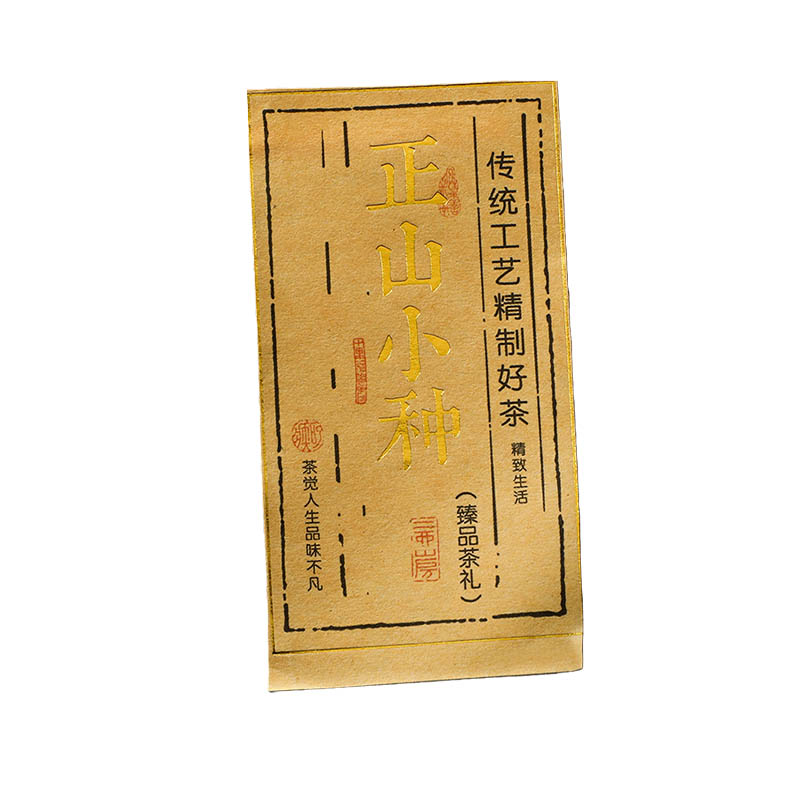
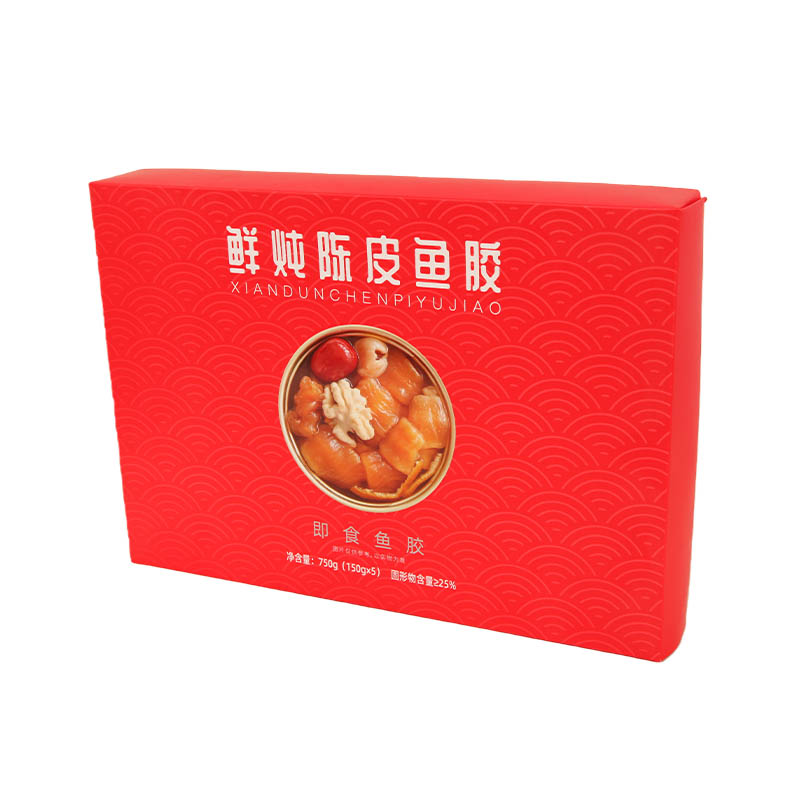
The structural design of paper food boxes must balance compression resistance and moisture resistance. This requires a comprehensive approach encompassing material selection, structural optimization, process improvement, and environmental control to achieve a balance between functionality and cost. Improving compression resistance primarily depends on the strength and toughness of the material itself. High-grammage corrugated cardboard with high ring crush strength is the basic choice; its composite structure of corrugated core paper and linerboard effectively distributes pressure, forming a longitudinal support framework. For heavy-duty food packaging, double-layer or multi-layer corrugated cardboard stacking designs can be used to increase overall compression resistance by increasing the number of layers. Furthermore, at key stress-bearing areas of the box, such as corners, edges, or load-bearing surfaces, die-cutting to create raised reinforcing ribs or folding to form a three-dimensional support structure can further enhance local compression resistance and prevent buckling deformation of the sidewalls due to uneven stress.
The core of moisture resistance lies in blocking the path of moisture penetration. Traditional paper materials are prone to moisture absorption, requiring functional upgrades through composite moisture-proof films or waterproof coatings. Polyethylene (PE), polypropylene (PP), or aluminum foil composite films are common choices. They are bonded to cardboard using hot melt adhesive or extrusion lamination processes to form a dense barrier. For environmental considerations, water-based waterproof coatings can be used, forming a hydrophobic layer on the cardboard surface through spraying or impregnation to reduce surface energy and minimize moisture absorption. The moisture-proof solution should be selected based on the characteristics of the food: high-fat foods require more oil-resistant aluminum foil composite films, while refrigerated foods require low-temperature resistant PE films to prevent low-temperature embrittlement and subsequent moisture-proof layer failure.
The rationality of the structural design directly affects the synergistic effect of pressure resistance and moisture protection. For example, adding "L"-shaped reinforcing ribs at the connection between the lid and body can disperse the pulling force when opening; designing cross-grid reinforcing ribs on the bottom of the box can evenly distribute stacking pressure. For moisture-prone areas, such as the bottom and sides, increasing the number of cardboard layers or inserting rigid linings can improve both moisture protection and pressure resistance. Furthermore, using interlocking or snap-fit structures instead of adhesive bonding avoids glue aging and delamination, while mechanical interlocking enhances overall structural stability and reduces the risk of breakage due to weak adhesion.
Process improvement is crucial for performance enhancement. When applying moisture-proofing agents, ensure even and complete coverage to prevent localized moisture loss. When gluing cartons, select high-quality adhesives and control bonding temperature and pressure to ensure tight, gap-free seams. High-frequency vibration molding technology makes the carton's fiber structure denser, reducing the possibility of moisture penetration; thermoforming technology improves the flatness of sidewalls and bottoms, enhancing compression resistance. For printed packaging boxes, avoid excessive pressure that could deform the cardboard; use low-pressure printing processes or pre-printing techniques to minimize damage to the cardboard's strength.
Optimized internal space design further enhances functionality. Die-cutting creates retaining grooves or clips within the cardboard, securing food in the center of the box and preventing stress concentration caused by transport vibrations. For fragile foods, such as pastries or bottled beverages, honeycomb cardboard, corrugated cardboard partitions, or foam padding can be added inside the boxes to absorb impact energy and protect the product. At the same time, the placement and size of the cushioning structure should be designed appropriately; for example, adding foam corners or air cushion edges at the four corners or edges can further improve impact resistance and reduce packaging damage caused by collisions.
Environmental control is a crucial factor in ensuring stable performance. The raw paper warehouse should be isolated from the outdoors, and dehumidifiers should be used to maintain relative humidity within a reasonable range to prevent the cardboard from absorbing moisture and reducing its strength. In humid environments, stretch film can be used to protect the cartons, utilizing its good tensile strength, tear resistance, and puncture resistance to effectively isolate moisture and humidity. During transportation, box trucks should be selected, and stacking should be avoided to minimize compression and twisting of the cartons. For food boxes stored for long periods, they should be placed in a dry, well-ventilated area, avoiding direct sunlight to prevent the cardboard from becoming brittle.
The structural design of paper food boxes is a systematic project that requires a deep integration of materials science, mechanical analysis, and user experience to achieve a synergistic improvement in pressure resistance and moisture resistance while meeting food safety standards. With increasing environmental requirements and evolving consumer demands, future designs will focus more on lightweighting, recyclability, and intelligence, driving the continuous evolution of paper-based packaging towards high performance and multifunctionality.