



How can we reduce the possibility of microbial contamination through process control in the production of paper food boxes?
Release Time : 2026-04-30
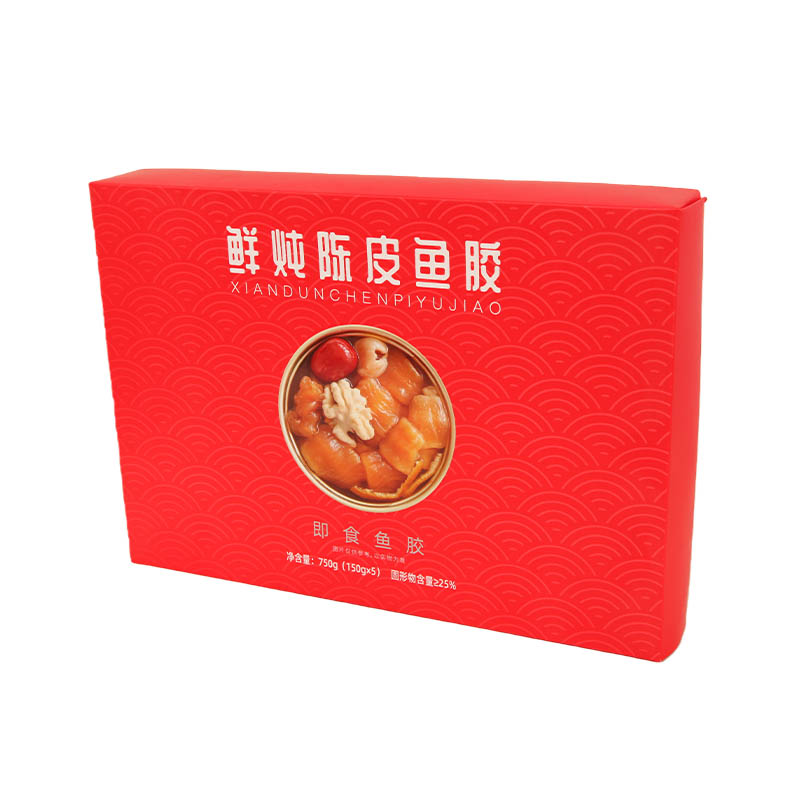
Paper food boxes are susceptible to microbial contamination during production due to material properties and complex processes, posing a threat to food safety. To reduce the possibility of microbial contamination, systematic process control is necessary, encompassing raw material selection, printing techniques, surface treatment, die-cutting and gluing, environmental control, personnel management, and finished product testing.
Raw material selection is the primary step in controlling microbial contamination. Paper food boxes often use recycled pulp or virgin wood pulp as the base material. Recycled pulp may carry microorganisms during the recycling process, requiring rigorous supplier screening during procurement, prioritizing raw materials with food safety certifications. Simultaneously, microbial sampling tests must be conducted on raw materials before warehousing to ensure compliance with food contact material standards. Furthermore, the raw material storage environment should be kept dry and well-ventilated to prevent mold growth due to moisture.
In the printing process, the choice of ink and solvent directly affects the risk of microbial contamination. Traditional inks may contain heavy metals and organic solvents, which not only harm human health but may also provide a nutrient source for microorganisms. Therefore, food-grade water-based inks or UV inks should be used. These inks are non-toxic, free of volatile organic compounds, and dry quickly, reducing the chance of microbial adhesion. During the printing process, printing equipment must be cleaned regularly to prevent ink residue from becoming a breeding ground for microorganisms.
Surface treatment processes are crucial for improving the barrier properties of food boxes. Processes such as lamination, waxing, or calendering can enhance the moisture resistance and impermeability of cardboard boxes, reducing pathways for microbial invasion. For example, lamination creates a physical barrier by covering the cardboard box with a plastic film, effectively blocking moisture and microorganisms. However, it is important to ensure that the lamination material meets food contact standards to avoid secondary contamination due to material migration. Furthermore, thorough drying is necessary after surface treatment to prevent residual solvents from becoming a nutrient source for microorganisms.
Die-cutting and gluing processes require close attention to equipment cleanliness and operational procedures. Die-cutting blades can easily accumulate paper scraps and ink after prolonged use, requiring regular disassembly, cleaning, and disinfection to prevent cross-contamination. In the gluing process, the choice of adhesive is particularly critical; food-grade water-based adhesives should be used, avoiding adhesives containing organic solvents to reduce the risk of microbial growth. Simultaneously, the gluing machine should be equipped with an automatic cleaning device to ensure that no adhesive residue remains inside the equipment after each die change.
Environmental control is crucial for reducing microbial contamination. Packaging workshops must maintain positive pressure ventilation and purify the air using high-efficiency particulate air (HEPA) filters to keep the concentration of airborne microorganisms within safe limits. Furthermore, workshop temperature and humidity must be strictly controlled, with temperatures below 25°C and humidity below 60% to inhibit microbial growth. Production equipment surfaces must be regularly wiped and disinfected, and floors and walls must be coated with anti-mold paint to prevent mold growth.
Personnel management is an indispensable aspect of process control. Operators must wear cleanroom suits, masks, and gloves to prevent contamination of packaging boxes with personal waste. Before entering the workshop, they must undergo dust removal in an air shower and regularly disinfect their hands. In addition, companies must regularly organize training on microbial contamination prevention and control to enhance employees' awareness of the importance of process control and ensure that all operating procedures are implemented effectively.
Finished product testing is the last line of defense for ensuring the microbial safety of food boxes. Each batch of finished products must undergo microbial sampling and testing, including total bacterial count, coliform bacteria, and pathogenic bacteria. Simultaneously, accelerated aging tests must be conducted on the packaging boxes to simulate actual transportation and storage conditions and assess their microbial stability under different environments. For batches that fail the test, the production process must be traced immediately to find the source of pollution and take corrective measures.