



How can anti-counterfeiting labels build a bridge of trust between brands and consumers using multiple technologies?
Release Time : 2026-01-23
In today's increasingly globalized world, counterfeit and substandard products not only erode corporate profits but also severely damage consumer rights and brand reputation. From pharmaceuticals and cosmetics to high-end alcoholic beverages and electronic products, the proliferation of counterfeit goods makes the word "genuine" all the more precious. Anti-counterfeiting labels, as miniature security guards attached to product packaging, are building a difficult-to-replicate protective barrier within a small space through the integration of multiple technologies such as optics, materials, digital technology, and printing. They are not only a tool for identifying authenticity but also a visual expression of a brand's commitment to quality, a key link connecting corporate integrity and consumer peace of mind.
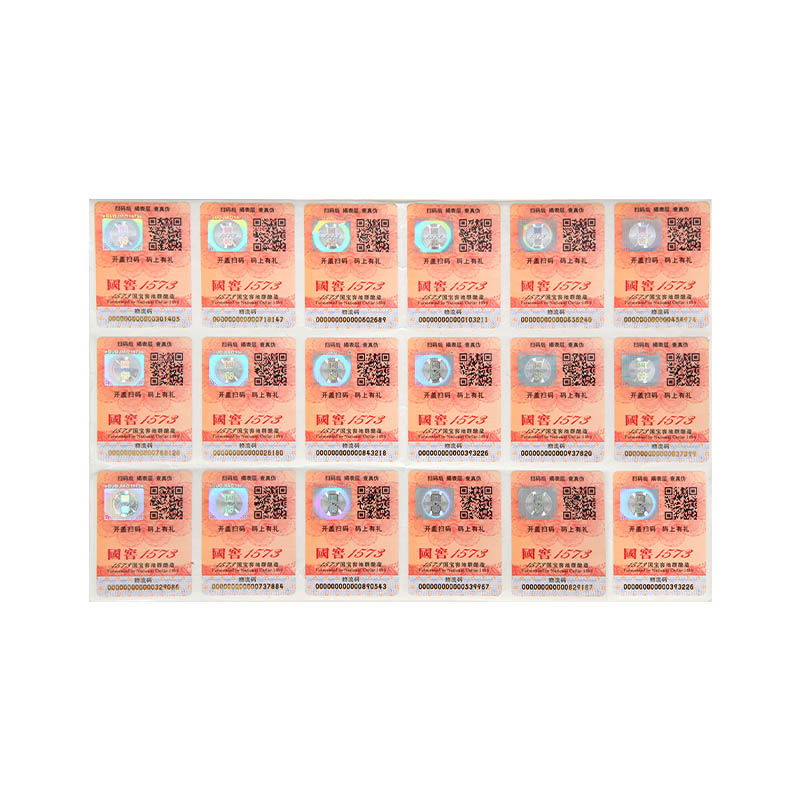
Their core advantage lies in their multi-layered, multi-sensory anti-counterfeiting logic. Basic anti-counterfeiting often relies on features that are visible to the naked eye, such as holographic laser patterns, thermochromic inks, or microtext—showing dynamic images when tilted, changing color after being rubbed with a finger, and revealing fine codes when magnified. These designs can be initially verified without professional equipment, enhancing the participation and confidence of ordinary consumers. A deeper layer of protection lies hidden in the unseen realm: ultraviolet fluorescent markers display unique symbols under specific light sources, infrared absorbing materials respond only to specialized instruments, and some even embed nanoparticles or DNA markers, forming unique "molecular ID cards." This dual structure of "openness + concealment" facilitates rapid screening by the public and provides advanced verification methods for law enforcement and corporate audits.
Furthermore, digital empowerment upgrades anti-counterfeiting from static labels to dynamic interactive entry points. Many modern anti-counterfeiting labels integrate QR codes or NFC chips, allowing consumers to scan the code and be redirected to the brand's official verification platform to check product production batches, distribution paths, and even raw material traceability information in real time. Every verification action is recorded in the cloud, forming a big data network that helps companies monitor abnormal sales areas and warn of cross-selling risks. Some systems also incorporate blockchain technology to ensure data immutability, making "one item, one code" a truly trustworthy digital identity. This evolution from "anti-counterfeiting" to "verification + interaction + traceability" greatly enhances user stickiness and brand transparency.
Materials and processes themselves are also important barriers to anti-counterfeiting. The label substrate often uses special synthetic paper, metallized film, or fragile materials that self-destruct upon attempt to remove, preventing recycling. The printing process uses spot color inks, precise registration, and random texture overlay, making it difficult for counterfeiters to replicate subtle layers and color transitions even with a copy. Some high-end labels even incorporate Dynamic Optical Variable Image (DOVID), where colors and patterns continuously change with viewing angle, presenting a very high technical barrier and effectively preventing mass counterfeiting.
Furthermore, customized designs enhance brand exclusivity. Anti-counterfeiting labels are no longer uniform but incorporate brand VI elements—primary colors, iconic graphics, or brand story symbols—making them part of the packaging aesthetics. Consumers, while verifying authenticity, also deepen their understanding of the brand's character. This unity of "security" and "aesthetics" transforms anti-counterfeiting from passive defense to proactive value delivery.
Ultimately, the significance of anti-counterfeiting labels goes far beyond combating counterfeits. In a market with information asymmetry, it's a silent promise to consumers, using technology as its language: the product in your hand is trustworthy. In an era where consumer trust is increasingly scarce, a brand's true competitive advantage lies not only in its factories and distribution channels, but also in every small label. And that anti-counterfeiting label, quietly affixed to the bottle or box, is the most exquisite and steadfast witness to this promise.
Their core advantage lies in their multi-layered, multi-sensory anti-counterfeiting logic. Basic anti-counterfeiting often relies on features that are visible to the naked eye, such as holographic laser patterns, thermochromic inks, or microtext—showing dynamic images when tilted, changing color after being rubbed with a finger, and revealing fine codes when magnified. These designs can be initially verified without professional equipment, enhancing the participation and confidence of ordinary consumers. A deeper layer of protection lies hidden in the unseen realm: ultraviolet fluorescent markers display unique symbols under specific light sources, infrared absorbing materials respond only to specialized instruments, and some even embed nanoparticles or DNA markers, forming unique "molecular ID cards." This dual structure of "openness + concealment" facilitates rapid screening by the public and provides advanced verification methods for law enforcement and corporate audits.
Furthermore, digital empowerment upgrades anti-counterfeiting from static labels to dynamic interactive entry points. Many modern anti-counterfeiting labels integrate QR codes or NFC chips, allowing consumers to scan the code and be redirected to the brand's official verification platform to check product production batches, distribution paths, and even raw material traceability information in real time. Every verification action is recorded in the cloud, forming a big data network that helps companies monitor abnormal sales areas and warn of cross-selling risks. Some systems also incorporate blockchain technology to ensure data immutability, making "one item, one code" a truly trustworthy digital identity. This evolution from "anti-counterfeiting" to "verification + interaction + traceability" greatly enhances user stickiness and brand transparency.
Materials and processes themselves are also important barriers to anti-counterfeiting. The label substrate often uses special synthetic paper, metallized film, or fragile materials that self-destruct upon attempt to remove, preventing recycling. The printing process uses spot color inks, precise registration, and random texture overlay, making it difficult for counterfeiters to replicate subtle layers and color transitions even with a copy. Some high-end labels even incorporate Dynamic Optical Variable Image (DOVID), where colors and patterns continuously change with viewing angle, presenting a very high technical barrier and effectively preventing mass counterfeiting.
Furthermore, customized designs enhance brand exclusivity. Anti-counterfeiting labels are no longer uniform but incorporate brand VI elements—primary colors, iconic graphics, or brand story symbols—making them part of the packaging aesthetics. Consumers, while verifying authenticity, also deepen their understanding of the brand's character. This unity of "security" and "aesthetics" transforms anti-counterfeiting from passive defense to proactive value delivery.
Ultimately, the significance of anti-counterfeiting labels goes far beyond combating counterfeits. In a market with information asymmetry, it's a silent promise to consumers, using technology as its language: the product in your hand is trustworthy. In an era where consumer trust is increasingly scarce, a brand's true competitive advantage lies not only in its factories and distribution channels, but also in every small label. And that anti-counterfeiting label, quietly affixed to the bottle or box, is the most exquisite and steadfast witness to this promise.