



How to Balance Aesthetic Design and Concealed Anti-counterfeiting Function in Anti-counterfeiting Labels?
Release Time : 2026-05-20
In the fast-moving consumer goods (FMCG) industry, anti-counterfeiting labels not only play a crucial role in ensuring product authenticity and brand reputation, but are also increasingly becoming an integral part of the packaging design system. As market competition intensifies and consumers' aesthetic demands for product appearance continue to rise, companies need to strengthen anti-counterfeiting capabilities while also ensuring the overall aesthetics and visual consistency of the packaging.
1. Enhancing Visual Integration through Invisible Anti-counterfeiting Technology
In traditional anti-counterfeiting label designs, obvious anti-counterfeiting marks often detract from the overall aesthetics of the packaging. To address this issue, modern anti-counterfeiting technology is increasingly moving towards invisibility. For example, through microtext, invisible ink, or photochromic materials, anti-counterfeiting information can be embedded within the label, making it difficult to detect under normal visual conditions, but clearly identifiable under specific light sources or equipment. This design approach ensures the effectiveness of the anti-counterfeiting function without compromising the overall visual style of the packaging, achieving a fusion of function and aesthetics.
2. Optimize Label Design to Enhance Overall Packaging Harmony
Anti-counterfeiting labels in fast-moving consumer goods (FMCG) packaging are often presented alongside brand logos and product information. Therefore, overall visual harmony needs to be fully considered during the design process. By rationally arranging label positions, controlling color contrast, and maintaining a unified design style, anti-counterfeiting labels can be naturally integrated into the packaging design. For example, embedding anti-counterfeiting elements into the brand logo or decorative patterns makes them a part of the design, rather than a separate, prominent functional module, thereby enhancing the overall aesthetics of the packaging.
3. Employ Multi-Layer Structures to Achieve Functional Concealment
Multi-layered anti-counterfeiting labels are one of the important ways to achieve concealment. By setting up a multi-layered material structure inside the label, anti-counterfeiting information can be hidden in the middle or bottom layers, preventing it from being directly exposed on the visual surface. This structural design not only increases the complexity of anti-counterfeiting measures but also effectively prevents easy counterfeiting. At the same time, the outer layer can use transparent or semi-transparent materials, giving the label a simple and unified visual effect, enhancing anti-counterfeiting capabilities without compromising aesthetics.
4. Enhancing Anti-counterfeiting Intelligence Through Digital Technology
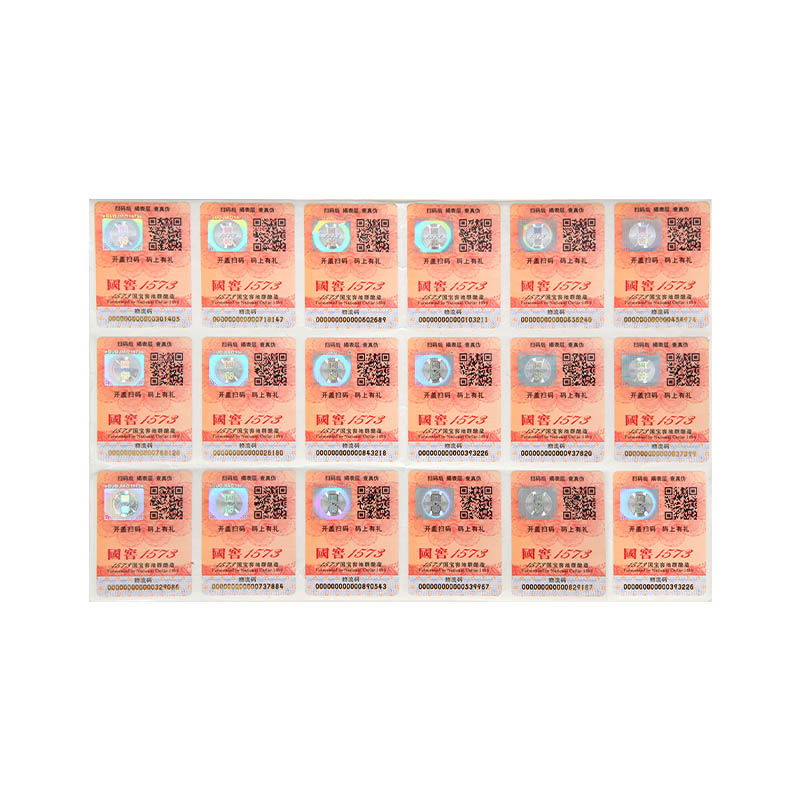
With the development of digital technology, QR codes, RFID, and blockchain traceability systems are increasingly being applied to anti-counterfeiting labels. Digitizing anti-counterfeiting information not only reduces the complexity of physical labels but also improves information management efficiency. For example, consumers can verify product authenticity simply by scanning a code, while the label itself can maintain a simple design. This approach reduces visual interference while enhancing the intelligence and concealment of anti-counterfeiting functions, making packaging design more modern.
5. Achieving a Refined Balance in Materials and Processes
The aesthetics and concealment of anti-counterfeiting labels also depend on the selection of materials and printing processes. Using high-precision printing technology, micro-nano texture technology, and special optical materials, complex anti-counterfeiting structures can be achieved without increasing visual burden. Simultaneously, by controlling the gloss and tactile effect of the label surface, the overall packaging quality can be enhanced, allowing the anti-counterfeiting labels to blend seamlessly with the product appearance, being neither obtrusive nor lacking in protective capabilities.
Overall, achieving a balance between aesthetic design and discreet anti-counterfeiting functionality in fast-moving consumer goods (FMCG) packaging requires comprehensive improvements across multiple aspects, including invisible anti-counterfeiting technology, overall design coordination, multi-layered structural design, digital applications, and material and process optimization. Only by finding a balance between visual appeal and security can anti-counterfeiting labels effectively protect product safety and brand reputation without compromising packaging aesthetics.
1. Enhancing Visual Integration through Invisible Anti-counterfeiting Technology
In traditional anti-counterfeiting label designs, obvious anti-counterfeiting marks often detract from the overall aesthetics of the packaging. To address this issue, modern anti-counterfeiting technology is increasingly moving towards invisibility. For example, through microtext, invisible ink, or photochromic materials, anti-counterfeiting information can be embedded within the label, making it difficult to detect under normal visual conditions, but clearly identifiable under specific light sources or equipment. This design approach ensures the effectiveness of the anti-counterfeiting function without compromising the overall visual style of the packaging, achieving a fusion of function and aesthetics.
2. Optimize Label Design to Enhance Overall Packaging Harmony
Anti-counterfeiting labels in fast-moving consumer goods (FMCG) packaging are often presented alongside brand logos and product information. Therefore, overall visual harmony needs to be fully considered during the design process. By rationally arranging label positions, controlling color contrast, and maintaining a unified design style, anti-counterfeiting labels can be naturally integrated into the packaging design. For example, embedding anti-counterfeiting elements into the brand logo or decorative patterns makes them a part of the design, rather than a separate, prominent functional module, thereby enhancing the overall aesthetics of the packaging.
3. Employ Multi-Layer Structures to Achieve Functional Concealment
Multi-layered anti-counterfeiting labels are one of the important ways to achieve concealment. By setting up a multi-layered material structure inside the label, anti-counterfeiting information can be hidden in the middle or bottom layers, preventing it from being directly exposed on the visual surface. This structural design not only increases the complexity of anti-counterfeiting measures but also effectively prevents easy counterfeiting. At the same time, the outer layer can use transparent or semi-transparent materials, giving the label a simple and unified visual effect, enhancing anti-counterfeiting capabilities without compromising aesthetics.
4. Enhancing Anti-counterfeiting Intelligence Through Digital Technology
With the development of digital technology, QR codes, RFID, and blockchain traceability systems are increasingly being applied to anti-counterfeiting labels. Digitizing anti-counterfeiting information not only reduces the complexity of physical labels but also improves information management efficiency. For example, consumers can verify product authenticity simply by scanning a code, while the label itself can maintain a simple design. This approach reduces visual interference while enhancing the intelligence and concealment of anti-counterfeiting functions, making packaging design more modern.
5. Achieving a Refined Balance in Materials and Processes
The aesthetics and concealment of anti-counterfeiting labels also depend on the selection of materials and printing processes. Using high-precision printing technology, micro-nano texture technology, and special optical materials, complex anti-counterfeiting structures can be achieved without increasing visual burden. Simultaneously, by controlling the gloss and tactile effect of the label surface, the overall packaging quality can be enhanced, allowing the anti-counterfeiting labels to blend seamlessly with the product appearance, being neither obtrusive nor lacking in protective capabilities.
Overall, achieving a balance between aesthetic design and discreet anti-counterfeiting functionality in fast-moving consumer goods (FMCG) packaging requires comprehensive improvements across multiple aspects, including invisible anti-counterfeiting technology, overall design coordination, multi-layered structural design, digital applications, and material and process optimization. Only by finding a balance between visual appeal and security can anti-counterfeiting labels effectively protect product safety and brand reputation without compromising packaging aesthetics.