


Food Boxes: A Dual Guardian of Safety and Aesthetics
Release Time : 2026-02-20
In the modern food consumption landscape, quality and experience are indispensable. Food boxes, with their superior comprehensive performance, have become a core carrier in diverse scenarios such as baking, fast food, fresh produce, and gifting. They not only hold delicious food but also demonstrate dual value in safety protection and visual presentation.
1. Material Safety: A Solid Bottom Line for Health Protection
Safety is the bottom line for food packaging. High-quality cardboard boxes use food-grade cardboard or kraft paper, ensuring no fluorescent agents or heavy metal migration. The inner walls are often coated with PE film or food-grade wax, forming a moisture-proof and oil-proof barrier to prevent leakage of soup or oil penetration and contamination of the box. This physical isolation not only protects food hygiene but also prevents external bacteria from invading. The robust box structure can withstand stacking pressure, preventing food deformation caused by transportation compression, ensuring food safety from the source. High-temperature resistant design also supports microwave heating, allowing consumers to eat with peace of mind, without worrying about the release of harmful substances, providing comprehensive protection for food safety.
2. Visual Aesthetics: A Direct Conveyion of Brand Value
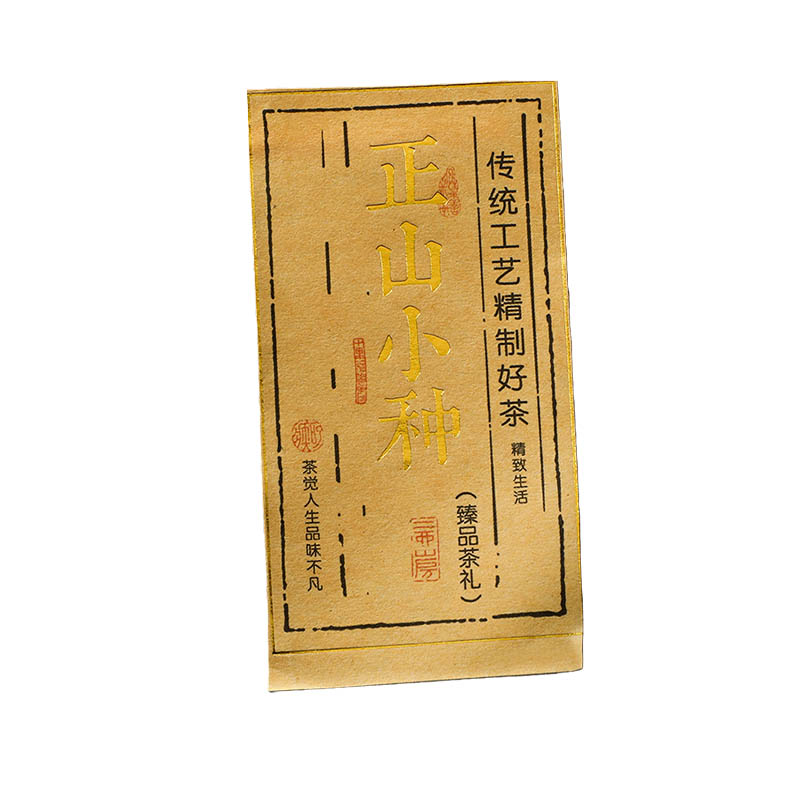
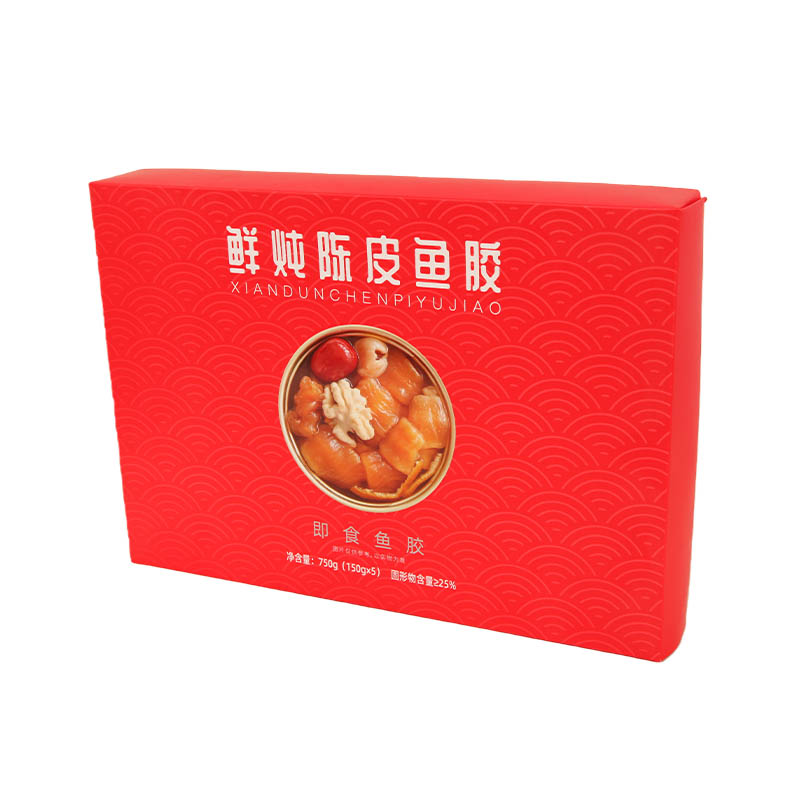
Aesthetics are a window into brand communication. High-definition offset or flexographic printing technologies ensure accurate and rich colors, faithfully reproducing the original design intent. Whether it's a minimalist style or a trendy, modern aesthetic, the cardboard box surface presents the design perfectly. Unique window designs or hot stamping enhance the product's perceived quality and attract consumers' attention. In a highly competitive market, aesthetically pleasing packaging instantly grabs attention and stimulates purchasing desire. The unboxing experience also becomes a brand memory point; exquisite details convey a pursuit of quality, enhancing user goodwill and loyalty. Visual appeal not only increases product premium but also transforms packaging into a mobile billboard, continuously disseminating the brand image.
3. Structural Design: Detailed Considerations for Practical Experience
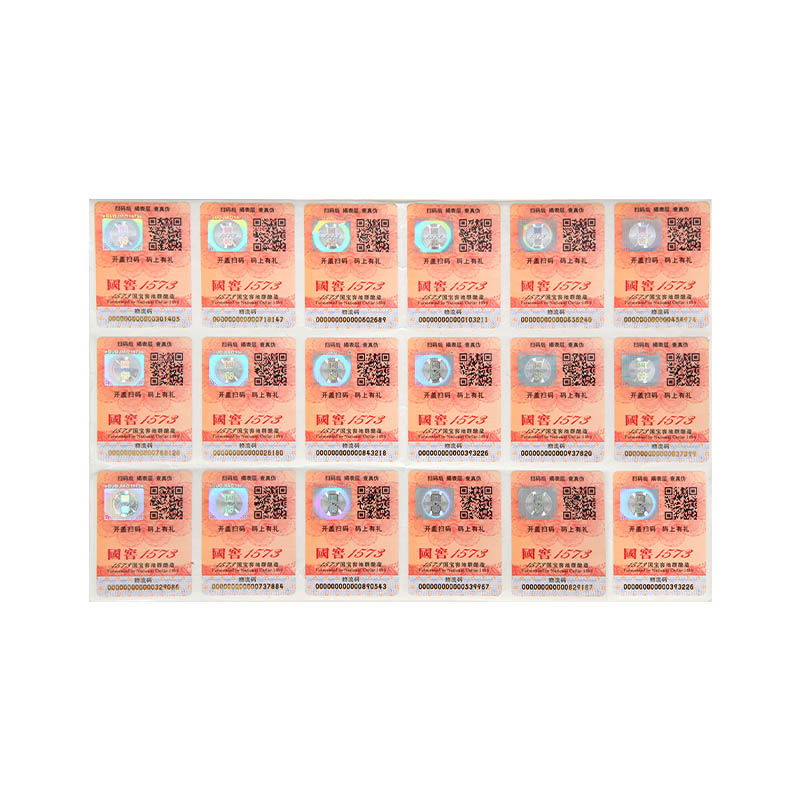
Functionality and aesthetics must be given equal importance. A reasonable folding structure facilitates warehousing and transportation, reducing logistics costs. Handle designs or easy-open buckles enhance usability, suitable for takeout delivery or family sharing. Insulation or refrigeration compatibility ensures food maintains optimal taste upon delivery. Smart labels or QR code integration enables traceability and increases trust. These functional details transform the cardboard box from a mere container into an extension of the service experience, meeting the needs of today's fast-paced lifestyle. The user-friendly design reduces the difficulty of opening, prevents spills or burns, and enhances overall satisfaction.
4. Environmental Trends: An Inevitable Choice for Sustainable Development
Environmental protection is the future trend. Recyclable and biodegradable paper-based materials meet green packaging standards, reducing plastic pollution. Brands using environmentally friendly cardboard boxes enhance their social responsibility image and align with consumers' environmental values. Lightweight design reduces resource consumption while maintaining strength. This sustainable concept allows packaging to return to nature at the end of its life cycle, achieving a win-win situation for both the economy and the environment. Compliant environmental certifications also help products enter the high-end market, meet international market access requirements, and pave the way for the brand's long-term development.
In conclusion, food boxes achieve dual protection of safety and aesthetics through four guarantees: material safety, visual appeal, functional practicality, and environmental sustainability.
1. Material Safety: A Solid Bottom Line for Health Protection
Safety is the bottom line for food packaging. High-quality cardboard boxes use food-grade cardboard or kraft paper, ensuring no fluorescent agents or heavy metal migration. The inner walls are often coated with PE film or food-grade wax, forming a moisture-proof and oil-proof barrier to prevent leakage of soup or oil penetration and contamination of the box. This physical isolation not only protects food hygiene but also prevents external bacteria from invading. The robust box structure can withstand stacking pressure, preventing food deformation caused by transportation compression, ensuring food safety from the source. High-temperature resistant design also supports microwave heating, allowing consumers to eat with peace of mind, without worrying about the release of harmful substances, providing comprehensive protection for food safety.
2. Visual Aesthetics: A Direct Conveyion of Brand Value
Aesthetics are a window into brand communication. High-definition offset or flexographic printing technologies ensure accurate and rich colors, faithfully reproducing the original design intent. Whether it's a minimalist style or a trendy, modern aesthetic, the cardboard box surface presents the design perfectly. Unique window designs or hot stamping enhance the product's perceived quality and attract consumers' attention. In a highly competitive market, aesthetically pleasing packaging instantly grabs attention and stimulates purchasing desire. The unboxing experience also becomes a brand memory point; exquisite details convey a pursuit of quality, enhancing user goodwill and loyalty. Visual appeal not only increases product premium but also transforms packaging into a mobile billboard, continuously disseminating the brand image.
3. Structural Design: Detailed Considerations for Practical Experience
Functionality and aesthetics must be given equal importance. A reasonable folding structure facilitates warehousing and transportation, reducing logistics costs. Handle designs or easy-open buckles enhance usability, suitable for takeout delivery or family sharing. Insulation or refrigeration compatibility ensures food maintains optimal taste upon delivery. Smart labels or QR code integration enables traceability and increases trust. These functional details transform the cardboard box from a mere container into an extension of the service experience, meeting the needs of today's fast-paced lifestyle. The user-friendly design reduces the difficulty of opening, prevents spills or burns, and enhances overall satisfaction.
4. Environmental Trends: An Inevitable Choice for Sustainable Development
Environmental protection is the future trend. Recyclable and biodegradable paper-based materials meet green packaging standards, reducing plastic pollution. Brands using environmentally friendly cardboard boxes enhance their social responsibility image and align with consumers' environmental values. Lightweight design reduces resource consumption while maintaining strength. This sustainable concept allows packaging to return to nature at the end of its life cycle, achieving a win-win situation for both the economy and the environment. Compliant environmental certifications also help products enter the high-end market, meet international market access requirements, and pave the way for the brand's long-term development.
In conclusion, food boxes achieve dual protection of safety and aesthetics through four guarantees: material safety, visual appeal, functional practicality, and environmental sustainability.