


How can the preservation function of paper food boxes be optimized for different types of food?
Release Time : 2026-02-06
The design of paper food boxes for freshness preservation needs to be closely integrated with the physiological characteristics and preservation requirements of different foods, achieving targeted optimization through material selection, structural innovation, and functional additions. Fresh fruits and vegetables, due to their high respiration rate and susceptibility to water loss and spoilage, require extremely high levels of breathability and moisture retention in their packaging. For example, easily damaged fruits like grapes can utilize "breathable packaging," with microporous structures designed on the cardboard box surface. This prevents internal heat and bacterial growth while also preventing breakage due to shaking during transport. Leafy vegetables are best suited for laminated cardboard boxes, where a semi-permeable barrier is formed by spraying an adhesive or oily substance onto the paper base. This reduces moisture evaporation while maintaining necessary gas exchange, extending shelf life.
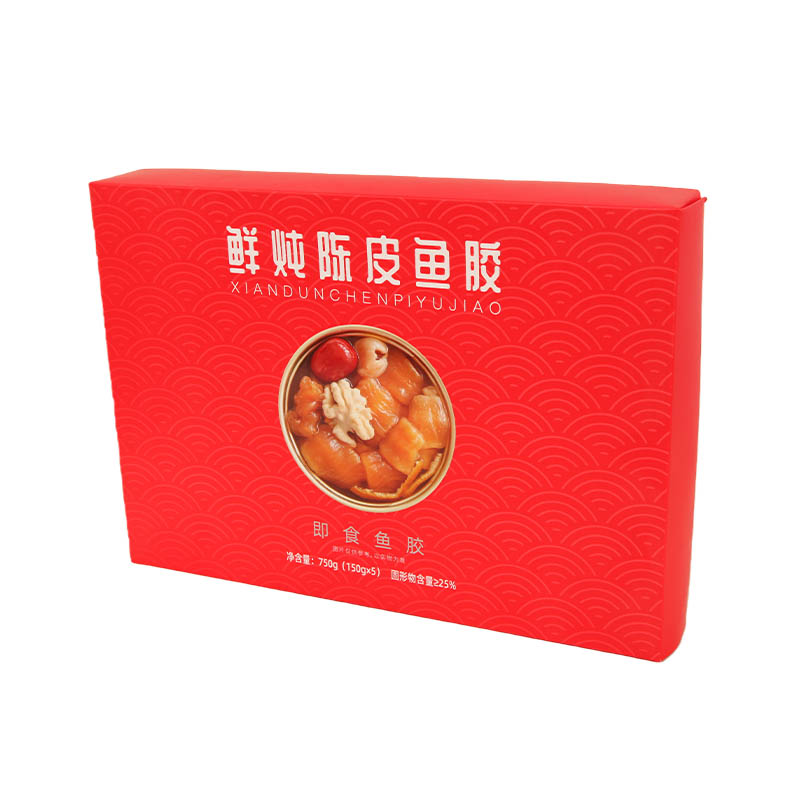
For foods with high moisture content, such as fresh-cut fruits and prepared meals, the focus should be on addressing oxidation and microbial contamination. For these foods, transparent cardboard boxes with silicone sealing rings can be used. Precise sealing design isolates air, slowing down the browning process of the fruit. For example, cut apples will turn black within an hour in a normal environment, but sealing them can extend their shelf life to 3-4 hours. For pre-cooked dishes with broth, such as sour soup with sliced beef or tomato beef brisket, snap-lock transparent cardboard boxes effectively prevent broth leakage and odor transfer, maintaining their flavor for 3-5 days under refrigeration. This type of packaging often uses low-temperature resistant PET material, ensuring it won't crack at -20℃ and won't react with the moisture or oil in the food, guaranteeing food safety.
The key to preserving baked goods is preventing moisture and odor transfer. Cookies, biscuits, and other room-temperature snacks are best stored in PP cardboard boxes that are both breathable and moisture-proof. Tiny vents in the box balance internal humidity, preventing moisture buildup that can cause softening. For strongly scented tropical fruits like durian and mango, deeper and thicker cardboard boxes effectively isolate their odors and prevent them from affecting other ingredients. In addition, the individual compartment design is suitable for small, easily damaged fruits such as strawberries and blueberries. Placing each fruit individually prevents crushing and reduces spoilage caused by oxidation from damaged areas.
Dried goods such as rice and grains require special protection against moisture and pests. Vacuum-packed cartons remove oxygen, inhibiting the growth of microorganisms and significantly extending shelf life. Some designs further enhance preservation by adding traditional Chinese medicine or antioxidants to the inside of the carton. For example, a preservative liquid component is infiltrated into the inner layer of the carton, utilizing the absorbency of the paper to slowly release the substance, forming a natural protective barrier. This overall infiltration technology allows for the selection of infiltrated substances based on the characteristics of different foods; for example, oxygen absorbers are added to nuts, and antibacterial agents to tea, achieving precise preservation.
Functional corrugated cardboard boxes provide a solution for the long-distance transportation of fresh food. By wrapping the surface of the cardboard with foamed polyethylene film or adding insulating materials such as polystyrene, a simple humidity-regulating and antibacterial preservation container can be created. For example, using these types of cardboard boxes during transportation of fruits and vegetables such as apples and lettuce effectively maintains a low-temperature environment, reducing quality degradation caused by temperature fluctuations. Furthermore, the combined use of cold-storage materials and insulated containers can further extend shelf life, ensuring food remains in optimal condition throughout distribution.
Environmental protection and sustainability are important trends in modern food packaging. Modivic's PaperBoard packaging solution uses 80% cardboard as its primary material, replacing traditional plastic components, reducing resource consumption and environmental pollution. Its EVOH barrier layer and PE sealing layer in the base ensure excellent barrier performance while allowing consumers to manually separate the paper from the plastic for easy recycling. This design not only extends product shelf life but also aligns with the concept of sustainable development.
From structural design to functional additions, optimizing the preservation of paper food boxes requires considering food characteristics, transportation environment, and consumer needs. Through innovative designs such as breathable micropores, precise sealing, and independent internal compartments, combined with functional additions such as herbal infusion and vacuum technology, cardboard boxes have transformed from simple containers into guardians of food quality. In the future, with advancements in materials science and environmental protection concepts, paper packaging will demonstrate greater potential in the food preservation field, providing the food industry with safer, more efficient, and sustainable solutions.