


How to precisely attract the attention of your target consumer group through food box design?
Release Time : 2025-12-04
In the fiercely competitive food market, product quality is crucial, but the "first impression" often determines purchasing decisions. Especially in holiday gifting, business gifts, or high-end retail scenarios, food boxes are no longer just containers for protecting products, but also the primary medium for brands to communicate with consumers. How to accurately reach the aesthetic preferences, emotional needs, and value consensus of the target audience through design language has become key to a brand's success. Successful food gift box design requires a high degree of synergy across four dimensions: visual appeal, structure, materials, and cultural connotation.
1. Visual Recognition: Locking in the Mindset with Color and Graphics
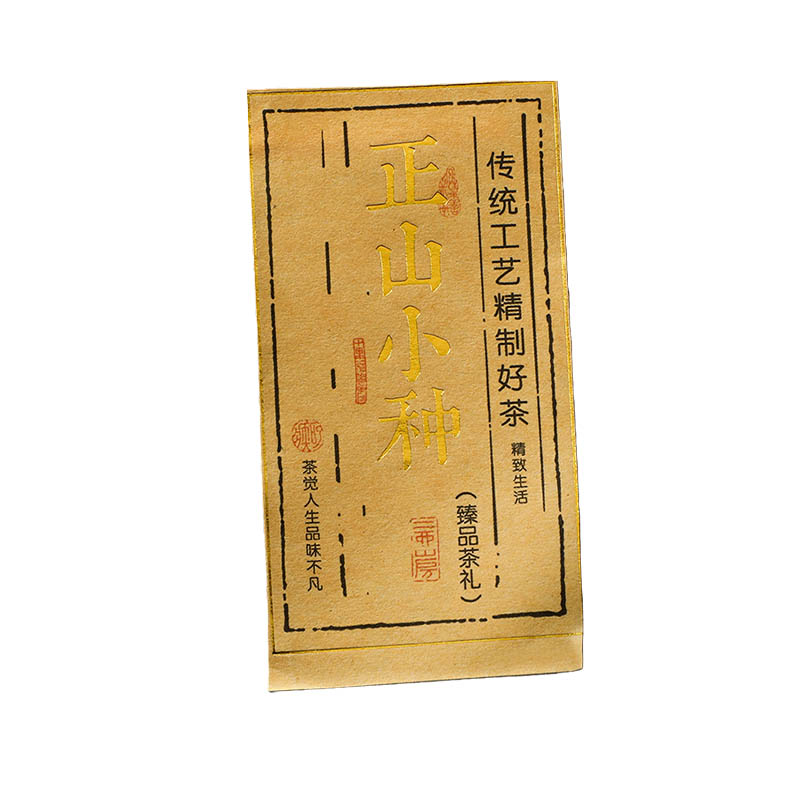
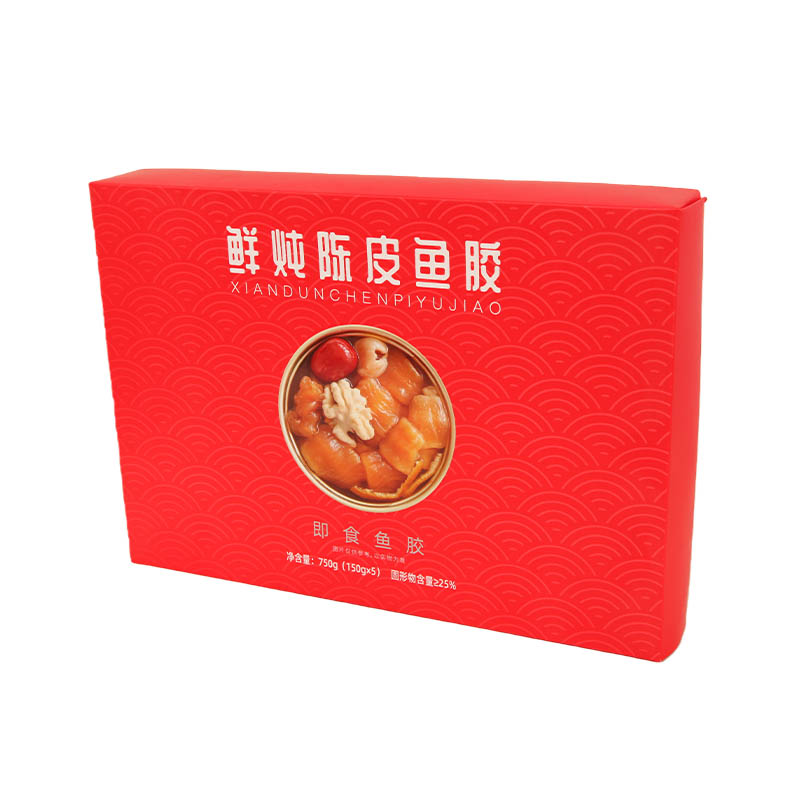
Different consumer groups have vastly different sensitivities to visual elements. Snack gift boxes targeting the young Gen Z often use high-saturation contrasting colors, collaborations with illustrated IPs, or trendy fonts to create a vibrant and social atmosphere; while tea gifts or health supplements targeting mid-to-high-end business people prefer low-brightness earth tones, gold foil stamping, and negative space to convey a sense of composure and prestige. For example, a coffee gift box targeting young professionals might incorporate minimalist lines and Morandi color palettes, emphasizing a "refined lifestyle"; while a traditional pastry gift box for senior citizens could use cultural symbols like Chinese red and auspicious cloud patterns to evoke emotional resonance. Precise visual strategies allow target users to intuitively feel, "This is exactly what I need," within 0.3 seconds of seeing the product on the shelf.
2. Structural Experience: Strengthening Emotional Connection with the Ritual of Unboxing
Modern consumers not only "see" the packaging, but also "use" it. A carefully designed opening and closing process—such as magnetic soft-close, drawer sliding, or page unfolding—significantly enhances the ritual and surprise of unboxing. For experience-conscious urban women, a multi-layered nested structure can be designed, revealing different snacks layer by layer, extending interaction time; children's snack gift boxes for families can incorporate fun mechanisms or puzzle-like assembly, allowing children to participate. This "participatory unboxing" not only enhances memorability but also transforms a one-time purchase into shareable social content, boosting word-of-mouth marketing.
3. Materials and Environmental Protection: Silent Persuasion Through Aligned Values
Contemporary consumers, especially highly educated individuals, are increasingly focused on sustainable development. Using environmentally friendly materials such as FSC-certified paper, bagasse molded inserts, and soybean ink printing not only reduces the environmental burden but also conveys the brand's social responsibility to users. Data shows that over 65% of millennials are willing to pay a premium for environmentally friendly packaging. Simultaneously, the tactile feel of materials also influences the perception of high-end quality—details such as velvet covers, embossed textures, and wood inlays can instantly establish a "high-value" association upon touch, effectively supporting a premium positioning.
4. Cultural Narrative: Packaging as a Carrier of Stories
Successful food gift boxes often carry cultural or emotional narratives. Regional specialty gift boxes can incorporate intangible cultural heritage patterns, dialect copywriting, or silhouettes of local architecture to evoke nostalgia or travel memories; festive gift boxes construct cultural contexts through elements such as zodiac signs, solar terms, and poetry. For example, a Mid-Autumn Festival mooncake gift box themed around "Full Moon and Family Reunion," complete with hand-drawn family banquet scenes and inner cards containing plantable seeds, transcends the food itself, becoming a medium for emotional expression. This deep content integration elevates packaging from a mere "container" to a "gift," significantly increasing the willingness to give and the satisfaction of receiving it.
Accurately attracting the target consumer group is not simply about piling on fancy elements, but rather a systematic design decision based on user profiles. From color psychology to structural interaction, from environmental concepts to cultural resonance, every detail should serve the core questions of "who is looking, who is buying, and who is receiving." When food boxes truly understand and respond to the aesthetic preferences, lifestyles, and spiritual needs of the target audience, they cease to be just a product on a shelf and become a "silent salesperson" that touches hearts.
1. Visual Recognition: Locking in the Mindset with Color and Graphics
Different consumer groups have vastly different sensitivities to visual elements. Snack gift boxes targeting the young Gen Z often use high-saturation contrasting colors, collaborations with illustrated IPs, or trendy fonts to create a vibrant and social atmosphere; while tea gifts or health supplements targeting mid-to-high-end business people prefer low-brightness earth tones, gold foil stamping, and negative space to convey a sense of composure and prestige. For example, a coffee gift box targeting young professionals might incorporate minimalist lines and Morandi color palettes, emphasizing a "refined lifestyle"; while a traditional pastry gift box for senior citizens could use cultural symbols like Chinese red and auspicious cloud patterns to evoke emotional resonance. Precise visual strategies allow target users to intuitively feel, "This is exactly what I need," within 0.3 seconds of seeing the product on the shelf.
2. Structural Experience: Strengthening Emotional Connection with the Ritual of Unboxing
Modern consumers not only "see" the packaging, but also "use" it. A carefully designed opening and closing process—such as magnetic soft-close, drawer sliding, or page unfolding—significantly enhances the ritual and surprise of unboxing. For experience-conscious urban women, a multi-layered nested structure can be designed, revealing different snacks layer by layer, extending interaction time; children's snack gift boxes for families can incorporate fun mechanisms or puzzle-like assembly, allowing children to participate. This "participatory unboxing" not only enhances memorability but also transforms a one-time purchase into shareable social content, boosting word-of-mouth marketing.
3. Materials and Environmental Protection: Silent Persuasion Through Aligned Values
Contemporary consumers, especially highly educated individuals, are increasingly focused on sustainable development. Using environmentally friendly materials such as FSC-certified paper, bagasse molded inserts, and soybean ink printing not only reduces the environmental burden but also conveys the brand's social responsibility to users. Data shows that over 65% of millennials are willing to pay a premium for environmentally friendly packaging. Simultaneously, the tactile feel of materials also influences the perception of high-end quality—details such as velvet covers, embossed textures, and wood inlays can instantly establish a "high-value" association upon touch, effectively supporting a premium positioning.
4. Cultural Narrative: Packaging as a Carrier of Stories
Successful food gift boxes often carry cultural or emotional narratives. Regional specialty gift boxes can incorporate intangible cultural heritage patterns, dialect copywriting, or silhouettes of local architecture to evoke nostalgia or travel memories; festive gift boxes construct cultural contexts through elements such as zodiac signs, solar terms, and poetry. For example, a Mid-Autumn Festival mooncake gift box themed around "Full Moon and Family Reunion," complete with hand-drawn family banquet scenes and inner cards containing plantable seeds, transcends the food itself, becoming a medium for emotional expression. This deep content integration elevates packaging from a mere "container" to a "gift," significantly increasing the willingness to give and the satisfaction of receiving it.
Accurately attracting the target consumer group is not simply about piling on fancy elements, but rather a systematic design decision based on user profiles. From color psychology to structural interaction, from environmental concepts to cultural resonance, every detail should serve the core questions of "who is looking, who is buying, and who is receiving." When food boxes truly understand and respond to the aesthetic preferences, lifestyles, and spiritual needs of the target audience, they cease to be just a product on a shelf and become a "silent salesperson" that touches hearts.